Baseball caps are one of the most versatile accessories in any wardrobe, but not all caps are built the same. Some are structured and sharp, others are soft and broken in, and the fit, material, and panel count can completely change how a cap looks and feels on your head.
These 15 types of baseball caps cover everything from the everyday dad hat to rugged leather caps and classic vintage styles. Whether you are shopping for something casual, sporty, or a little more polished, understanding these differences will help you pick the right cap for the right occasion.
1. Baseball Cap Styles
Before choosing a cap, it helps to know what actually separates one style from another. The differences usually come down to four things: how the cap closes at the back, how many fabric panels form the crown, what material it is made from, and how structured or relaxed the overall shape feels.
Closure type matters most for fit, since snapbacks, fitted caps, and stretch fits all sit differently on the head. Panel count changes the crown shape, material affects how the cap breathes and ages, and brim curve shifts the whole look from sporty to classic.
Styling detail: Once you know these four traits, spotting the difference between similar looking caps becomes much easier, even from a quick glance.
2. Dad Hat
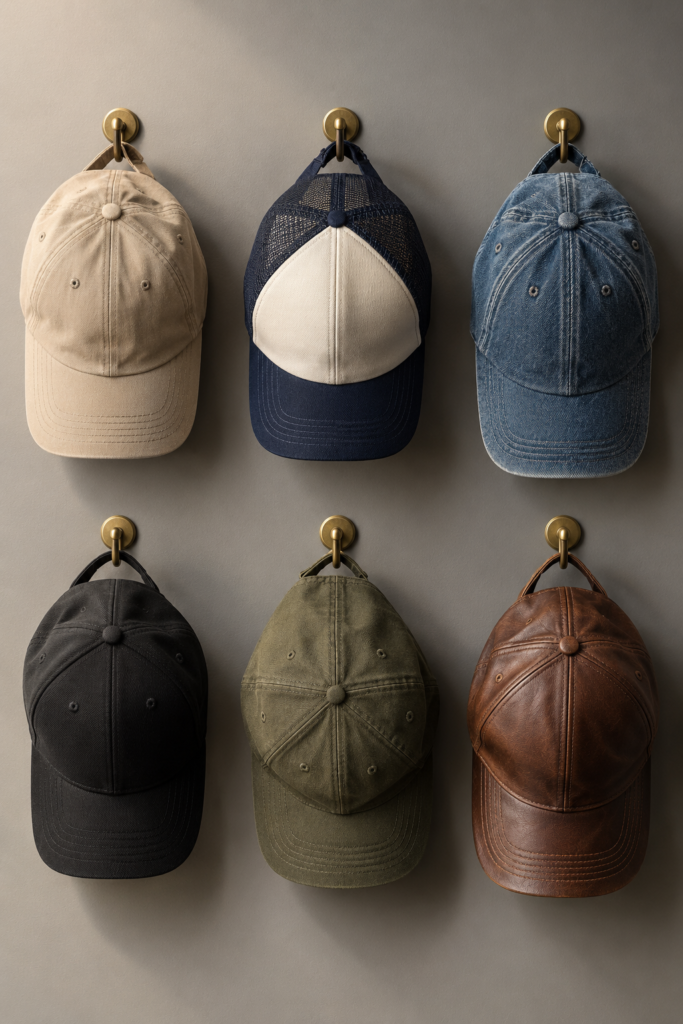
The dad hat is the most relaxed member of the cap family. It has a soft, unstructured crown, a curved brim, and a low profile that sits close to the head rather than standing tall.
This style is meant to look a little worn in, so a slightly bent brim or a softened crown only adds to the appeal. It pairs easily with casual outfits, gym clothes, or a simple weekend look.
Quick Tip: Look for a cotton twill or washed fabric if you want that broken in look right away instead of waiting months for it to soften naturally.

3. Snapback Cap
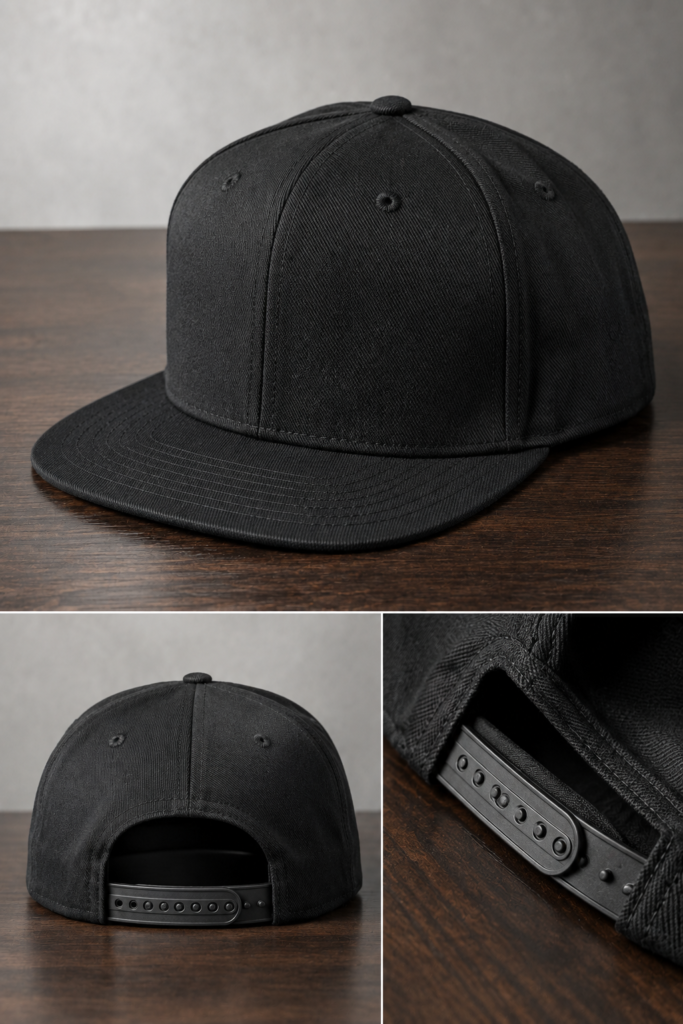
The snapback cap gets its name from the adjustable plastic snap closure at the back, which makes it easy to size for almost any head. It typically has a flat brim, a higher structured crown, and sharp, clean lines.
This style became especially popular through hip hop and streetwear culture, and it remains a go-to choice for anyone who wants a bold, statement-making look rather than something understated.
Common Mistake: Wearing a snapback too loose at the back so it sits unevenly on the forehead. The fix is simple: snap it one notch tighter than feels necessary, since the fabric will loosen slightly with wear.
The flat brim also gives snapbacks a distinct silhouette that curved-brim caps simply cannot match.
4. Fitted Cap
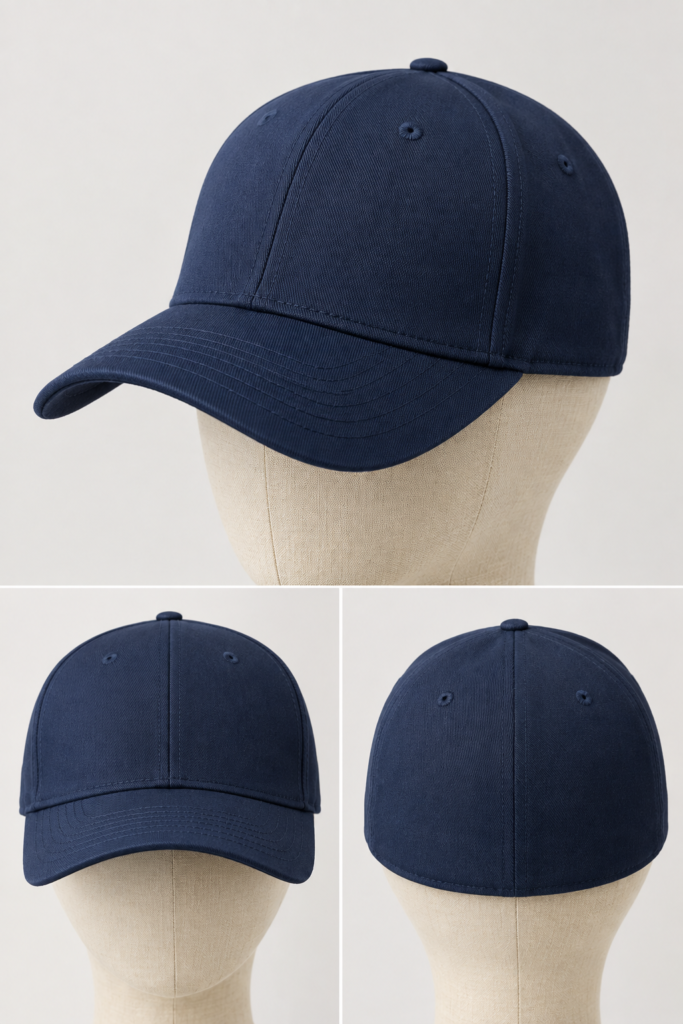
Unlike snapbacks or adjustable caps, a fitted cap has no closure at all. It is made to one exact size and sits smoothly against the head with no gap or bump at the back.
Fitted caps are closely tied to sports team merchandise, since the seamless back and structured crown give them a clean, professional appearance that many collectors and fans prefer.
What You Need:
- A tape measure or a known hat size, since fitted caps only work if the size is exact.
- A structured crown preference, if you want the classic ballplayer look.
- A flat or slightly curved brim depending on your style.
- Awareness that fitted caps cannot be resized later.
Getting the sizing right the first time matters far more with fitted caps than with any adjustable style.
5. Trucker Hat
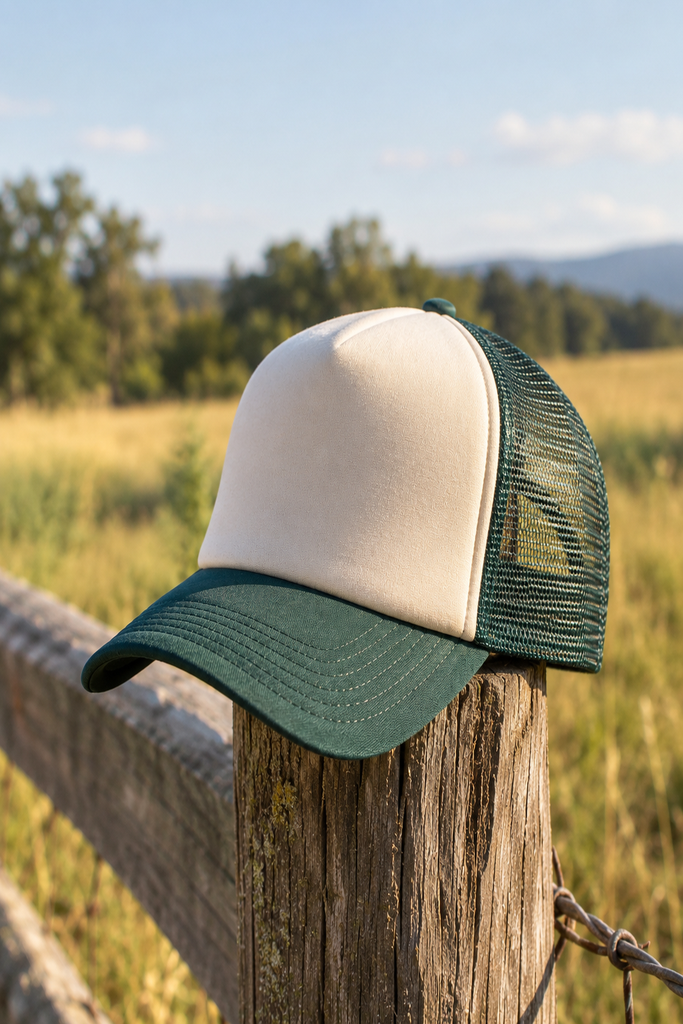
The trucker hat is easy to spot thanks to its mesh back panels, foam front panel, and curved brim. It was originally designed for outdoor workers who needed breathability in hot conditions, and that practical purpose still defines the style today.
The mesh back keeps air flowing, which makes trucker hats a favorite for summer wear, outdoor activities, or anyone who simply wants a cooler alternative to an all-cotton cap.
Before: Standard cotton caps can feel hot and heavy during long days outside, especially in humid climates.
After: A trucker hat’s mesh panels allow airflow around the head, keeping things noticeably cooler during extended wear.
The snap closure at the back also makes trucker hats easy to adjust throughout the day.
6. Five Panel Cap
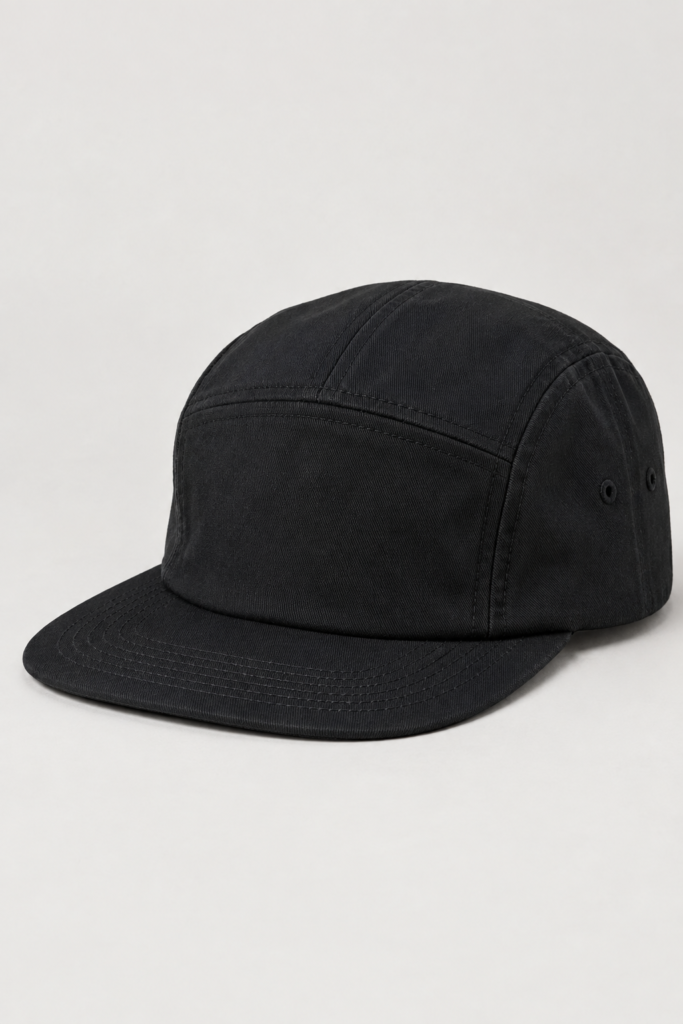
The five panel cap is built from exactly five fabric sections, which gives it a slightly boxier crown shape compared to the rounder six panel style. It often has a flat brim and a more minimalist, skate-inspired look.
This construction reduces stitching seams at the front, giving brands and wearers a cleaner surface for logos or a simple, unbranded look.
Do This:
- Choose a five panel cap if you prefer a boxier, modern silhouette.
- Look for reinforced stitching at the panel seams for durability.
- Pick a flat brim if you want a streetwear-inspired appearance.
Avoid This:
- Assuming all five panel caps fit the same, since crown height varies by brand.
- Ignoring the front panel size if you plan to add a patch or pin.
- Choosing thin fabric if you want the cap to hold its shape over time.
The boxier profile is what sets this style apart from nearly every other cap on this list.
7. Six Panel Cap
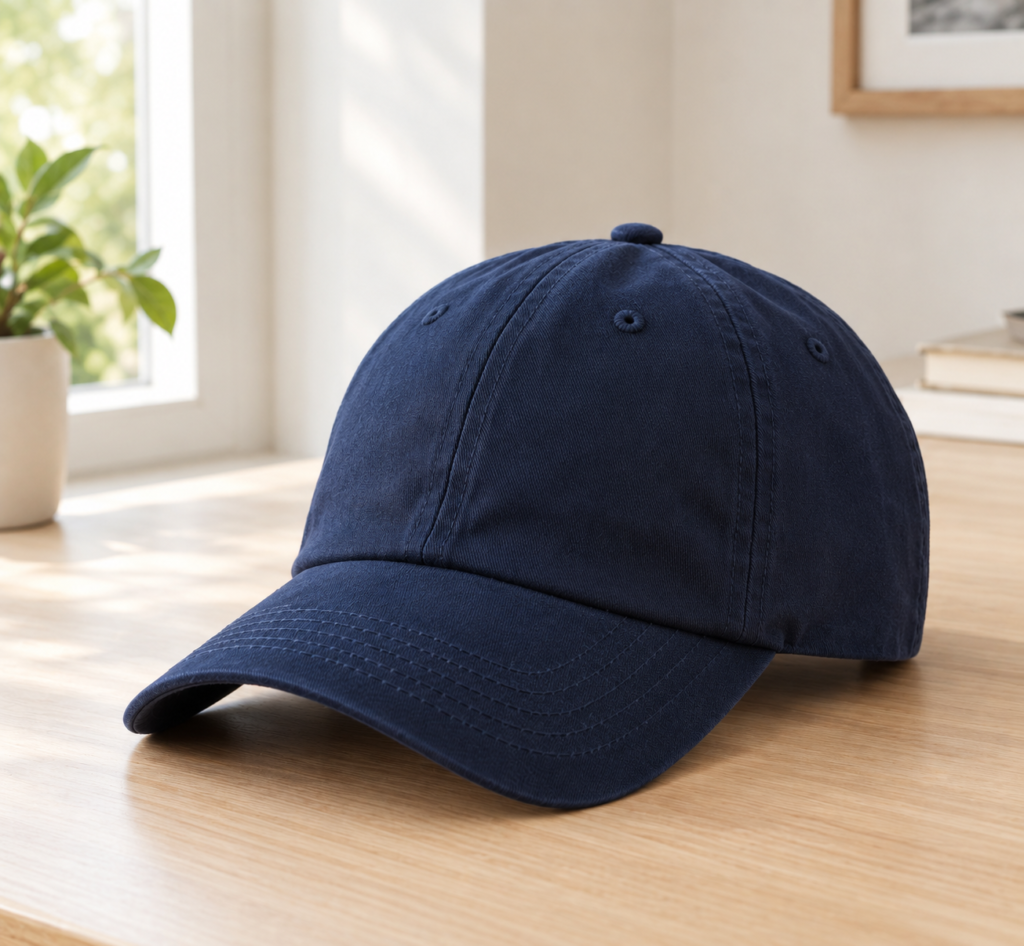
The six panel cap is the most common baseball cap construction, and it is likely the shape most people picture when they hear the words baseball cap. Six fabric panels meet at the top in a small button, creating a rounder, more traditional crown.
This structure gives the cap a classic silhouette that works well with both curved and flat brims, making it one of the most adaptable styles across sports, casual wear, and fashion.
Time Needed: None, ready to wear | Difficulty: Easy to style | Best For: Everyday casual outfits | Result: A classic, familiar cap shape.
Because six panel caps are so widely produced, they also tend to offer the widest range of colors, materials, and price points.
8. Camp Cap
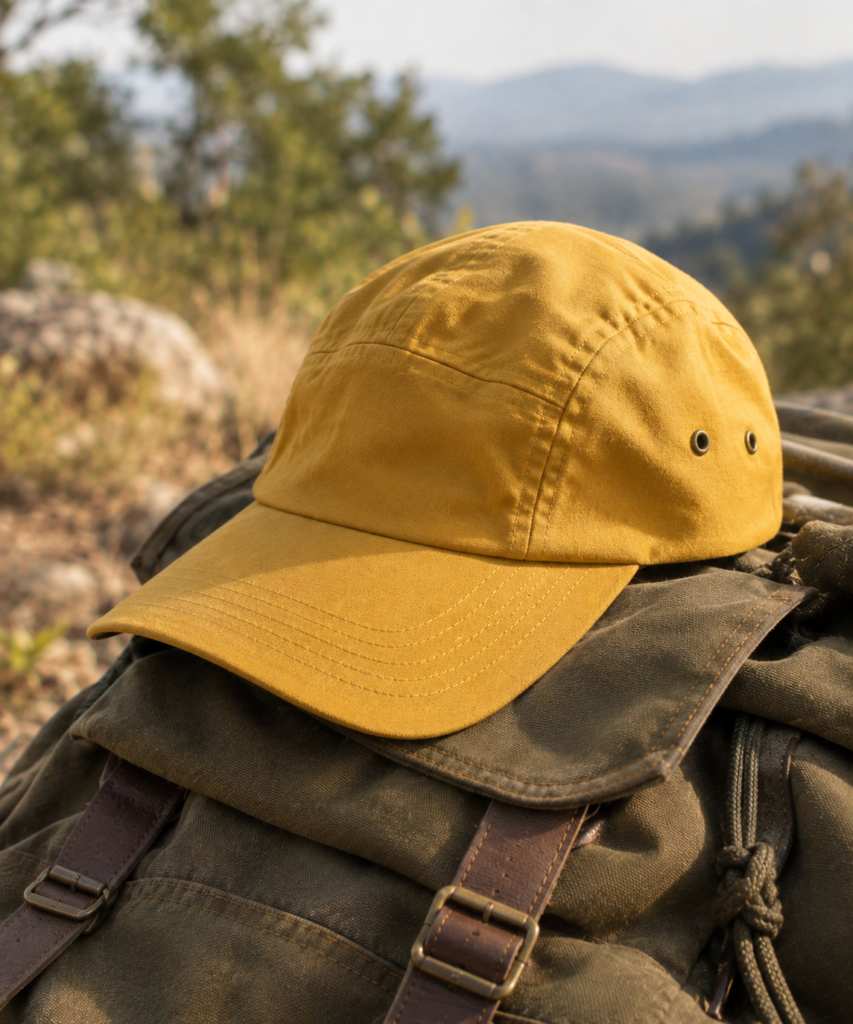
The camp cap, sometimes called a camper cap, has a soft, rounded, unstructured crown similar to a dad hat, but it is typically made from a single solid fabric panel rather than multiple stitched sections. This gives it a smoother, cleaner look with fewer visible seams.
This style has roots in vintage outdoor and summer camp merchandise, which is exactly where its relaxed, nostalgic character comes from.
Quick Tip: Camp caps often come in bold, solid colors, so they work well as a simple accent piece rather than something meant to blend in.
The soft crown also tends to fold flat, which makes camp caps easy to pack for travel without losing their shape.
9. Performance Cap
Performance caps are built specifically for sports and active wear, using moisture wicking fabrics, breathable mesh panels, and lightweight materials that stay comfortable during movement and sweat.
Unlike cotton caps, performance styles are designed to dry quickly and resist odor buildup, which makes them a practical choice for running, golf, hiking, or any activity involving sustained physical effort.
Quick Tip: Check the fabric label for moisture wicking polyester or a similar technical blend, since this is what separates a true performance cap from a cotton cap that simply looks athletic.
Many performance caps also include a sweatband lining for extra comfort during long wear.

10. Stretch Fit Cap
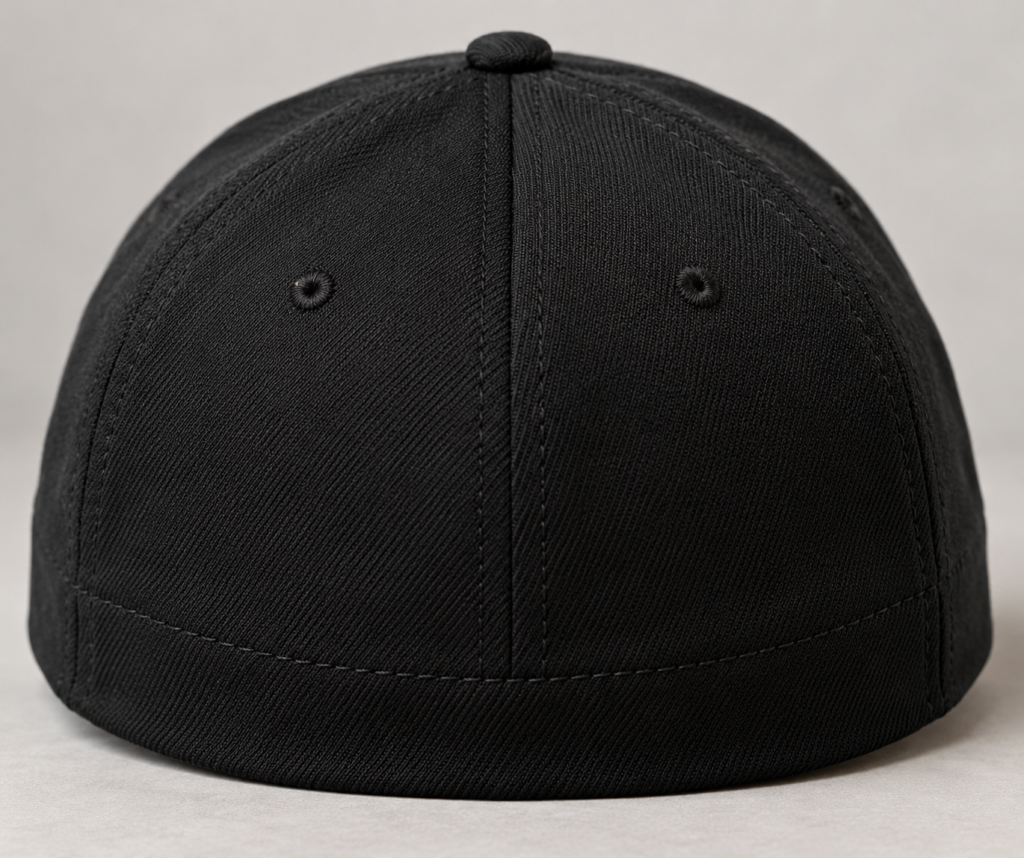
A stretch fit cap uses a flexible, elastic-blended fabric band around the base instead of a snap, strap, or fully fitted size. This allows the cap to stretch slightly and conform to different head sizes without any visible closure.
This construction gives stretch fit caps the clean, seamless look of a fitted cap while still offering some flexibility for comfort, making them a popular middle ground between the two styles.
What You Need:
- A general size range, such as small/medium or large/extra-large.
- Comfort with a snug fit, since stretch caps rely on tension to stay in place.
- A preference for a clean look without visible adjusters.
- Patience during the first few wears, as the fabric loosens slightly over time.
The absence of any back closure is the easiest way to identify a stretch fit cap at a glance.
11. Corduroy Cap
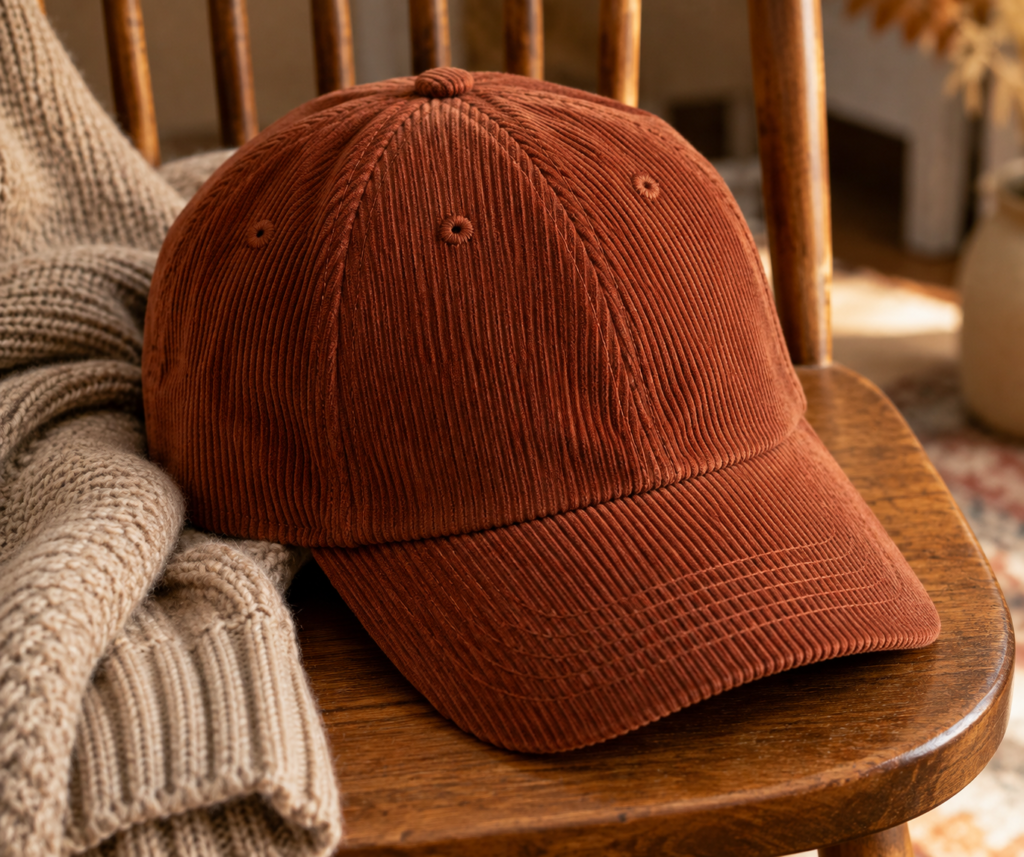
The corduroy cap brings a textured, ribbed fabric into cap construction, giving it a warmer, more tactile appearance than smooth cotton or polyester styles. The ridged texture also adds a slightly vintage, autumn-ready feel.
This material works especially well in cooler months, and its texture pairs naturally with jackets, flannels, and other fall or winter layers.
Common Mistake: Choosing a lightweight corduroy expecting cold-weather warmth. The fix is to look specifically for a heavier wale corduroy if warmth matters to you, since thinner corduroy is closer to a style statement than genuine insulation.
The visible ribbing also means corduroy caps tend to show wear and creasing differently than smooth fabrics.
12. Canvas Cap
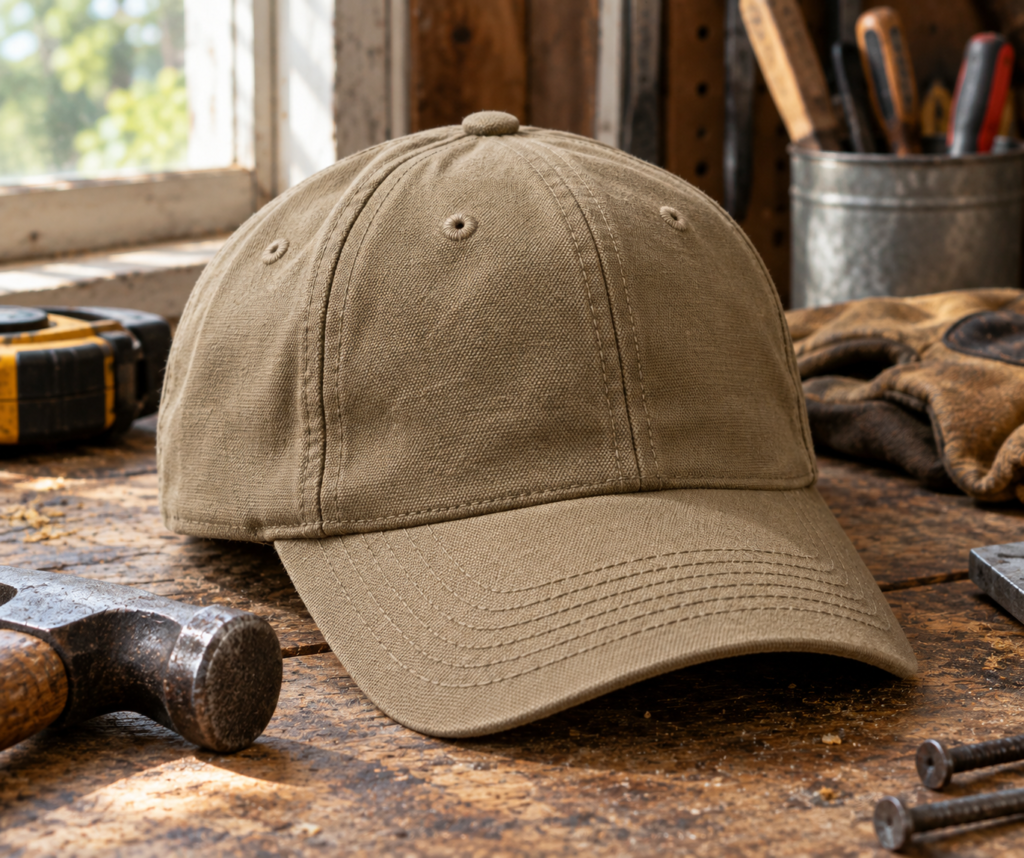
Canvas caps use a heavier, tightly woven cotton fabric that holds its shape well and resists wrinkling more than lightweight cotton twill. This makes canvas one of the more durable everyday materials in cap construction.
Because of its sturdiness, canvas is often chosen for workwear-inspired caps or styles meant to handle frequent, rugged use without losing structure.
Quick Tip: Canvas caps tend to fade attractively over time with sun exposure, so many wearers intentionally choose lighter shades to let that natural fading become part of the look.
The thicker weave also gives canvas caps a slightly stiffer brim compared to cotton twill options.
13. Leather Baseball Cap
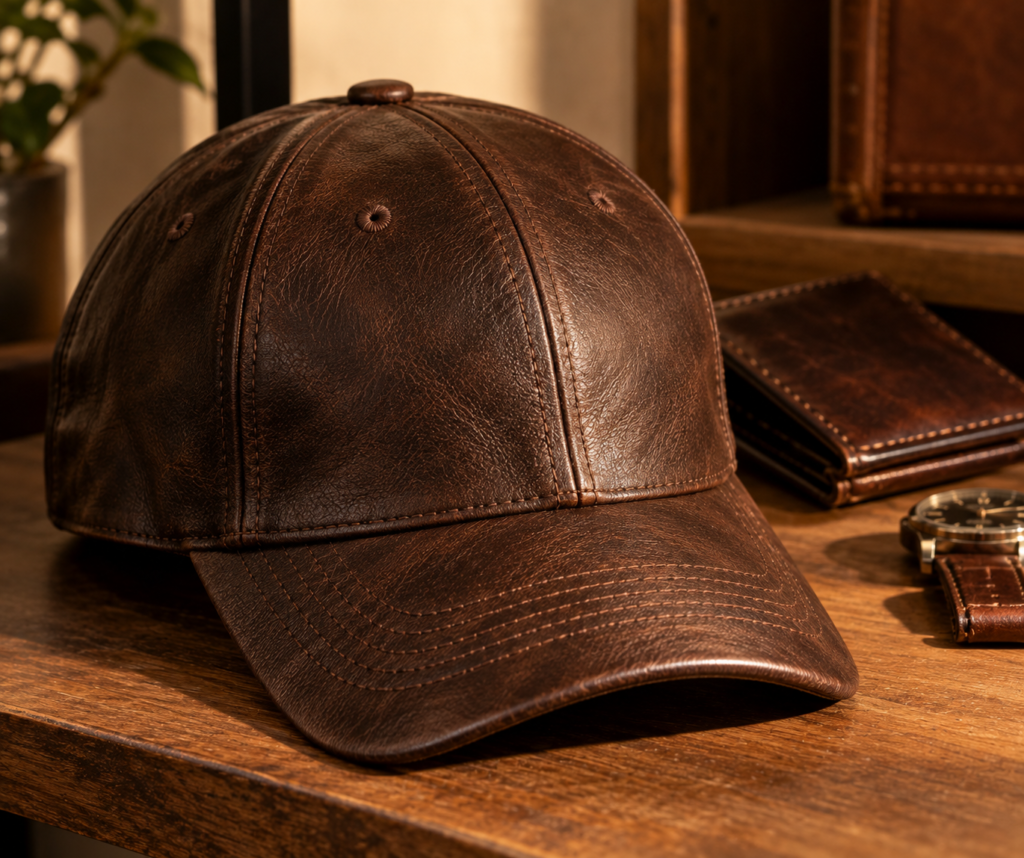
Leather caps use genuine or faux leather panels instead of cotton or synthetic fabric, giving the cap a heavier, more premium feel. Some versions use leather only on the front panel, while others cover the entire crown.
This material naturally develops a worn patina over time, especially with genuine leather, meaning the cap will look slightly different after months of regular wear.
Do This:
- Wipe leather caps clean with a slightly damp cloth rather than machine washing them.
- Store the cap away from direct heat sources to avoid cracking.
- Apply a leather conditioner occasionally if the material starts to feel dry.
Avoid This:
- Leaving a leather cap in direct sunlight for extended periods.
- Folding or crushing the crown when storing it.
- Assuming faux leather and genuine leather require identical care.
A little maintenance goes a long way toward keeping a leather cap looking sharp for years.
14. Vintage Baseball Cap
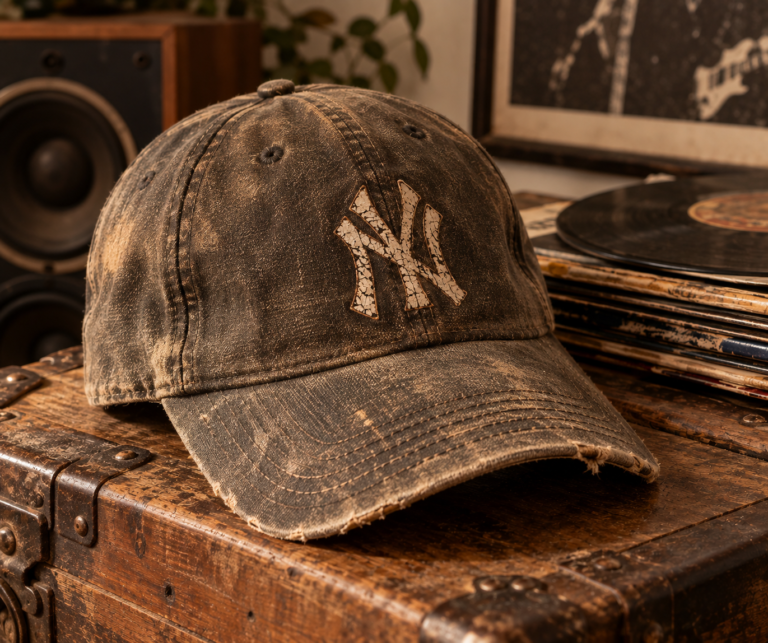
Vintage baseball caps are designed to look aged, faded, and lived in from the moment they are purchased, or they are genuinely older caps sourced from past decades. This includes distressed logos, worn brims, softened fabric, and muted color washes.
The appeal of a vintage cap often comes from its imperfections, since a slightly cracked logo or a faded panel gives it more character than a brand-new, sharply structured cap.
Time Needed: None if pre-distressed | Difficulty: Easy to wear | Cost: Varies widely | Result: A worn-in, nostalgic look.
Whether sourced from a thrift shop or purchased new with a deliberately aged finish, vintage caps bring a sense of history that newer styles simply cannot replicate.
Expert Tip: Matching a Cap Style to Your Lifestyle
The easiest way to choose between these styles is to think about how you actually plan to wear the cap. For everyday casual use, a dad hat or six panel cap covers nearly any situation. For sports, workouts, or hot weather, a trucker hat or performance cap will feel far more comfortable than cotton alternatives.
If you want a sharper, more polished look, a snapback or fitted cap brings structure and a cleaner silhouette. For cooler months, corduroy adds texture and warmth, while leather brings a more elevated, premium feel.
Fit matters just as much as style. A cap that constantly needs adjusting will never feel as good as one sized correctly from the start, so pay close attention to whether a style is adjustable, stretch fit, or fully fitted before buying.
Final Thoughts
With so many types of baseball caps available, choosing the right one comes down to matching the construction, material, and fit to how you actually plan to use it. A relaxed dad hat suits laid-back days, a trucker hat keeps you cool outdoors, and a leather or vintage cap adds character to a more curated wardrobe.
Start by identifying whether you want something structured or relaxed, then narrow down the material based on the season and occasion. Once you understand these fifteen styles, spotting the difference between a snapback and a fitted cap, or a five panel and a six panel crown, becomes second nature.
Frequently Asked Questions
What is the difference between a snapback and a fitted cap?
A snapback has an adjustable plastic closure at the back, so it can fit a range of head sizes. A fitted cap has no closure at all and is made to one exact size, giving it a smooth, seamless look at the back.
Which type of baseball cap is best for hot weather?
A trucker hat or a performance cap works best in heat. Trucker hats use mesh back panels for airflow, while performance caps rely on moisture wicking fabric to stay cool and dry during activity.
What is the difference between a five panel and a six panel cap?
A five panel cap is built from five fabric sections, giving it a boxier, more minimalist crown. A six panel cap uses six panels that meet at a small button on top, creating the rounder, more traditional baseball cap shape.
Are stretch fit caps as accurate as fitted caps?
Not exactly. A fitted cap is sized to one precise measurement, while a stretch fit cap uses an elastic band to flex across a size range, such as small/medium or large/extra-large. Stretch fits are more forgiving but less exact than true fitted caps.
Is a dad hat the same as a camp cap?
They are similar but not identical. Both have soft, unstructured crowns, but a dad hat is typically made from multiple stitched panels, while a camp cap is often made from a single smooth fabric panel with fewer visible seams.
Do leather baseball caps need special care?
Yes. Leather caps should be wiped clean with a slightly damp cloth rather than washed in a machine, kept away from direct heat, and occasionally treated with a leather conditioner to prevent cracking or drying out.
What makes a baseball cap look vintage?
Vintage caps use distressed logos, faded color washes, softened fabric, and worn brims to create an aged, lived-in appearance. Some are genuinely old, while others are made new with a deliberately weathered finish.
Which cap type is easiest to pack for travel?
Camp caps and dad hats are the easiest to pack, since their soft, unstructured crowns fold flat without losing shape. Structured styles like snapbacks or fitted caps hold their form better but are more likely to crease if packed carelessly.