
Finding the best concealers for dry skin can feel tricky, because the wrong formula settles into fine lines and clings to flakes instead of covering them. The right one does the opposite: it glides on smoothly, adds a touch of moisture, and leaves your skin looking fresh and awake instead of tight and cakey.
This list rounds up 20 concealer ideas made for dry skin, from hydrating formulas and skin-loving ingredients to the small application tricks that keep everything looking fresh all day. Whether you want to brighten dark circles or even out redness, you will find a gentle option here that works with your skin, not against it.
1. Hydrating Liquid Formula
A liquid concealer with a hydrating base is the safest pick for dry skin. It spreads in a thin, flexible layer instead of sitting on top of the skin, so it does not grab dry patches or settle into creases. Look for words like hydrating, dewy, or radiant on the packaging, since those formulas include humectants that draw in moisture.
Dot twice under each eye and once on any redness, then blend with a damp sponge using light pressing motions. The damp sponge sheers the product out so it never looks heavy. For more coverage, wait thirty seconds and add a second thin layer where you need it.
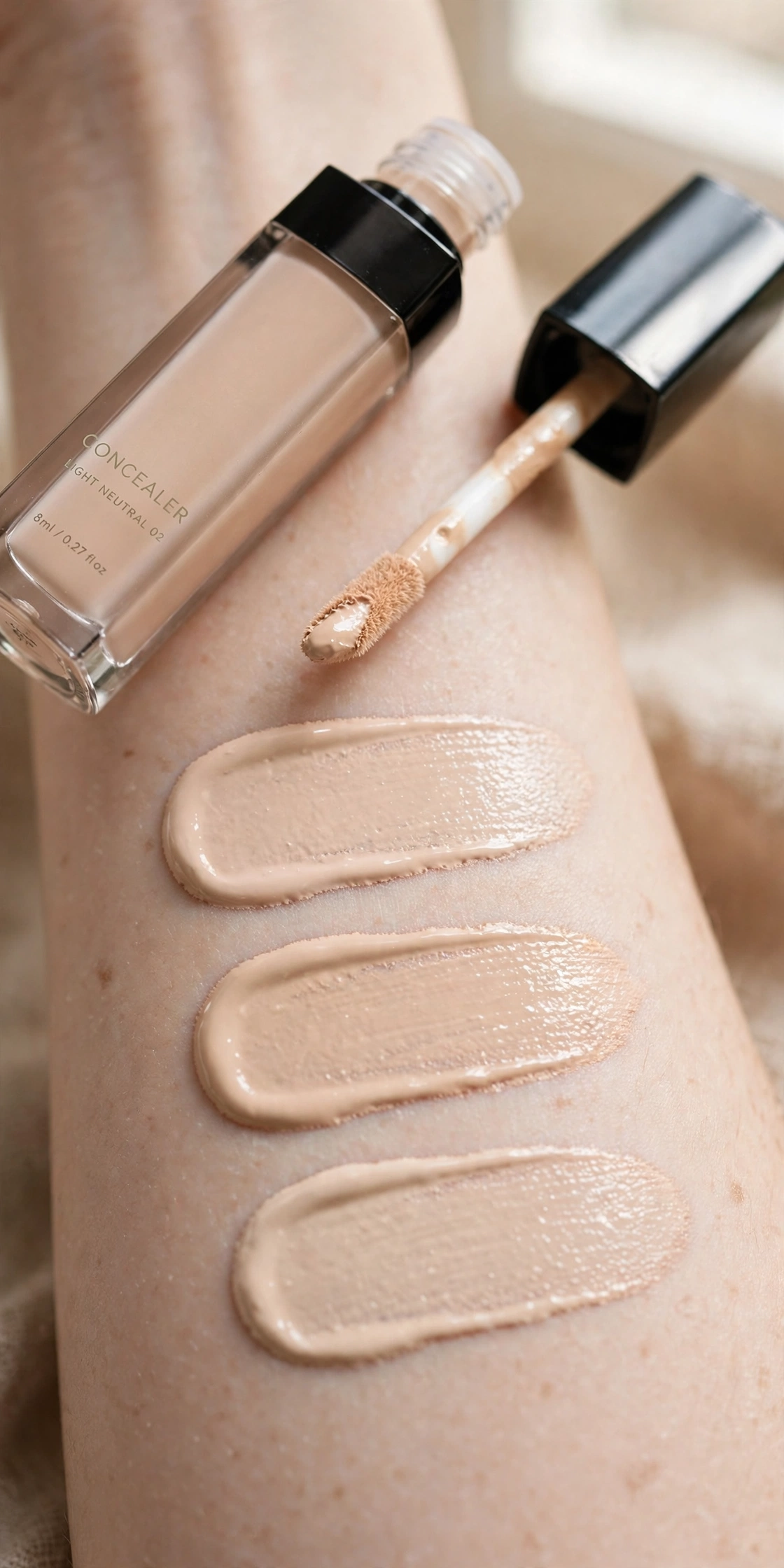
2. Serum-Infused Concealer
Serum concealers mix makeup with skincare, so they treat dry skin kindly while they cover. They usually contain ingredients like hyaluronic acid or niacinamide, which help the skin hold onto water through the day. The texture is light and fluid, which means it melts into dry areas instead of emphasizing them.
Shake the tube gently and apply one small drop per area, then pat it in with your ring finger. Your finger warms the product slightly, which helps it fuse with the skin. This type works well for the under-eye area in the morning, when skin tends to feel driest and needs the extra comfort.
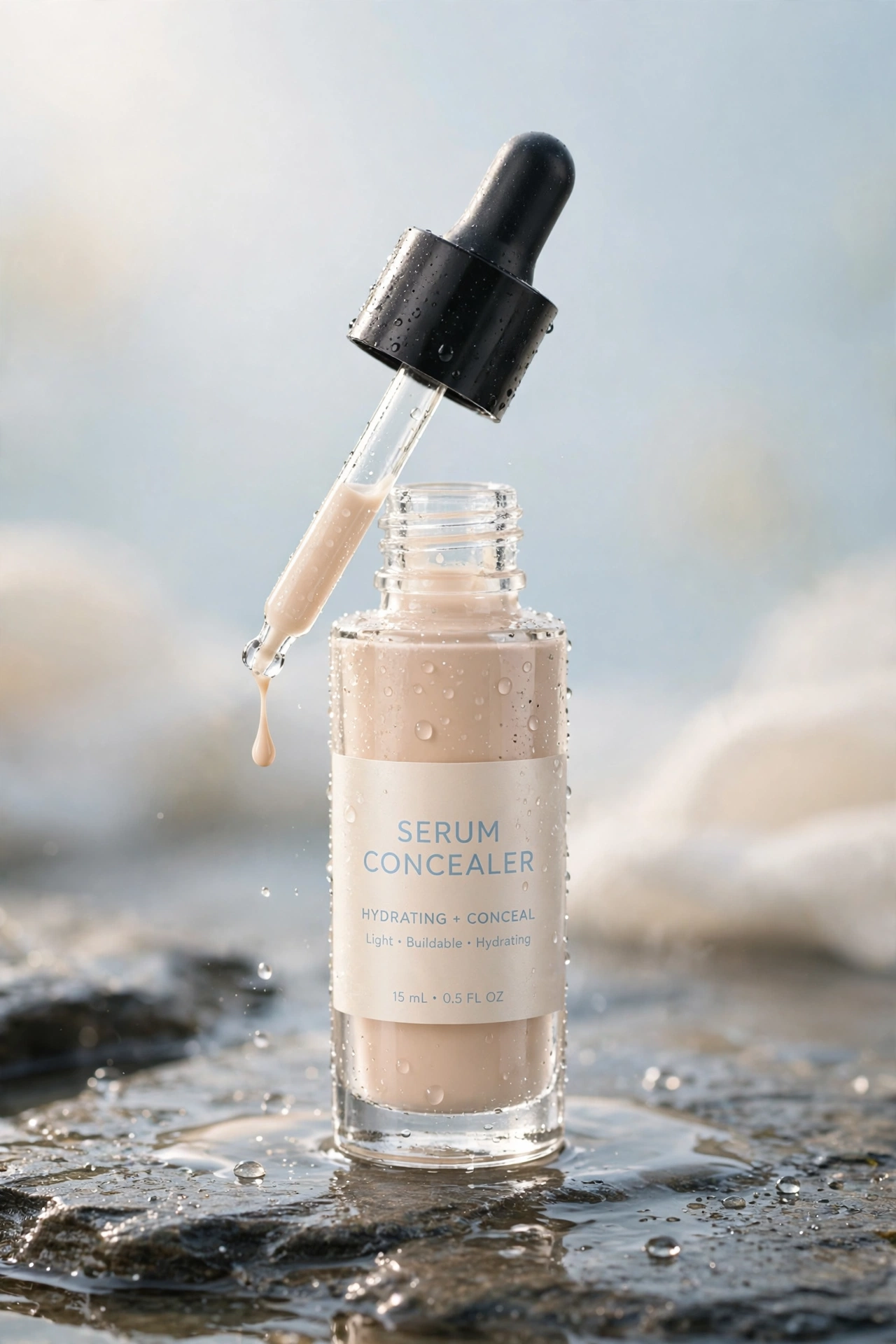
3. Cream That Melts In
A soft cream concealer can be lovely on dry skin as long as it has an emollient, buttery texture rather than a thick, waxy one. The right cream warms on contact and blends into a skin-like finish that does not look powdery. It gives a bit more coverage than a serum, which is handy for stubborn dark circles.
Warm a small amount between your fingertips before pressing it onto the skin. The warmth thins the cream just enough to glide. Blend the edges outward so there is no visible line where the concealer stops, and keep the layer thin in the inner corner where product tends to gather.
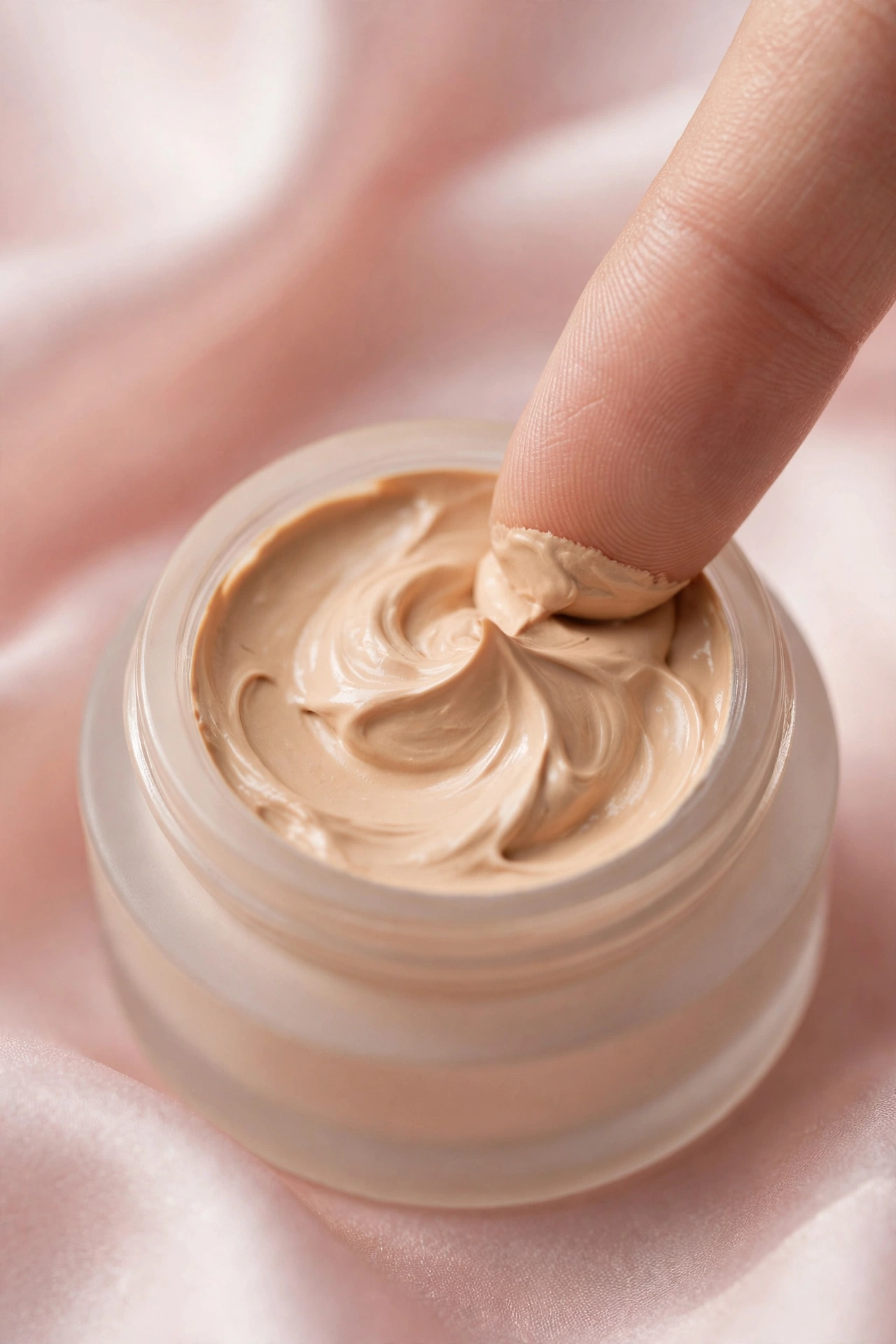
4. Brightening Under-Eye Pick
The under-eye area is usually the driest part of the face, so a brightening formula made for that zone is worth seeking out. These concealers often have light-reflecting pigments that bounce light away from shadows, so you need less product to look rested. Many also include caffeine or peptides aimed at puffiness.
Dot the product in a soft triangle shape under each eye, with the point facing down toward the cheek. This shape lifts the whole area instead of just covering a stripe. Pat gently with a damp sponge and avoid dragging, since pulling stretches the delicate skin and can make dryness more obvious later.
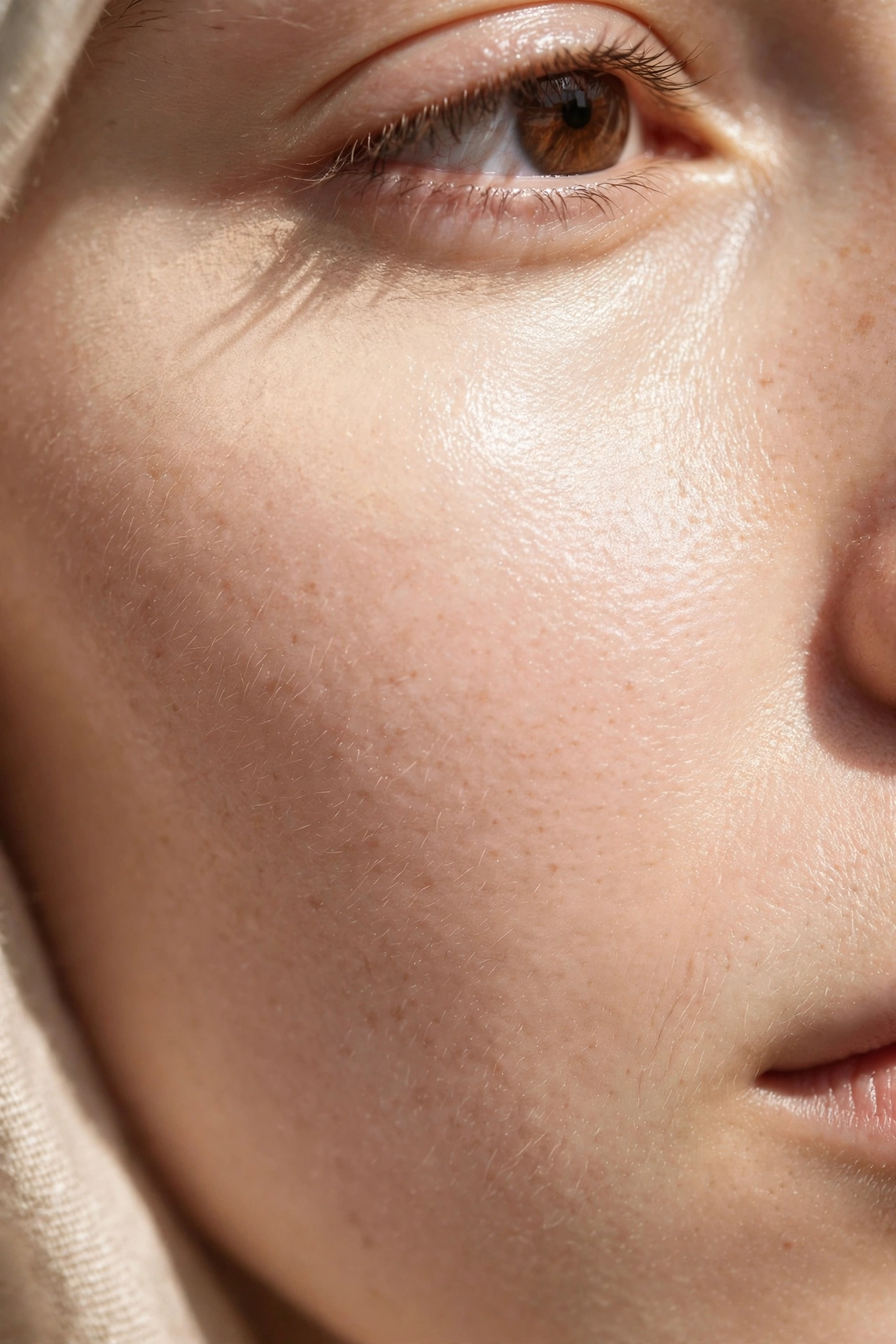
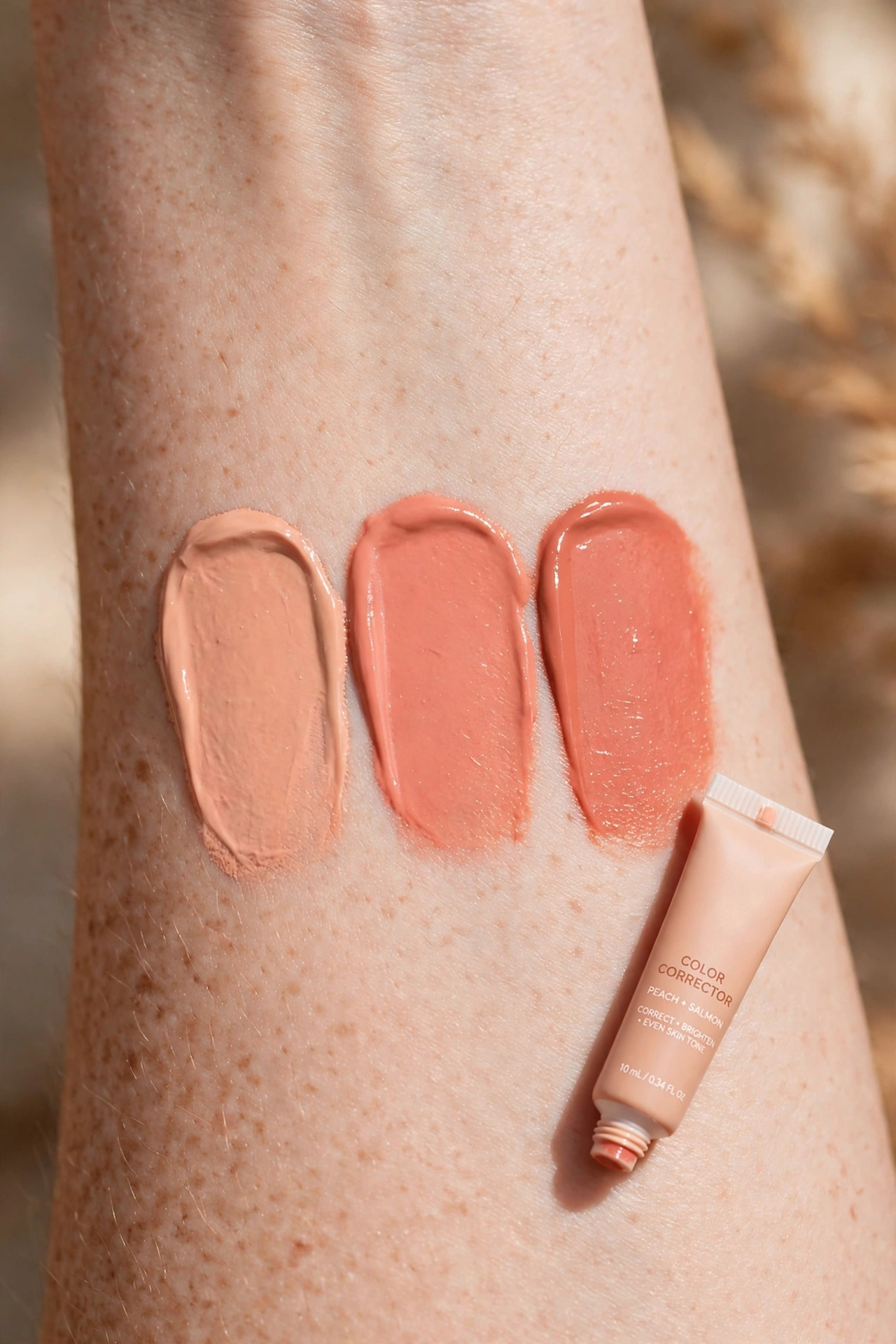
5. Peach Color Corrector
If your dark circles have a blue or purple tone, a peach corrector can neutralize them before concealer goes on. This matters for dry skin because it means you can use a much thinner layer of concealer on top, with less chance of creasing or clinging to dry patches through the day.
Pat a sheer wash of peach corrector only over the discolored area, not all the way across the cheek. Let it sit for a minute, then layer your regular concealer over it with a light hand. Two thin layers look more natural than one thick layer trying to do all the work alone.
6. Dewy Finish Coverage
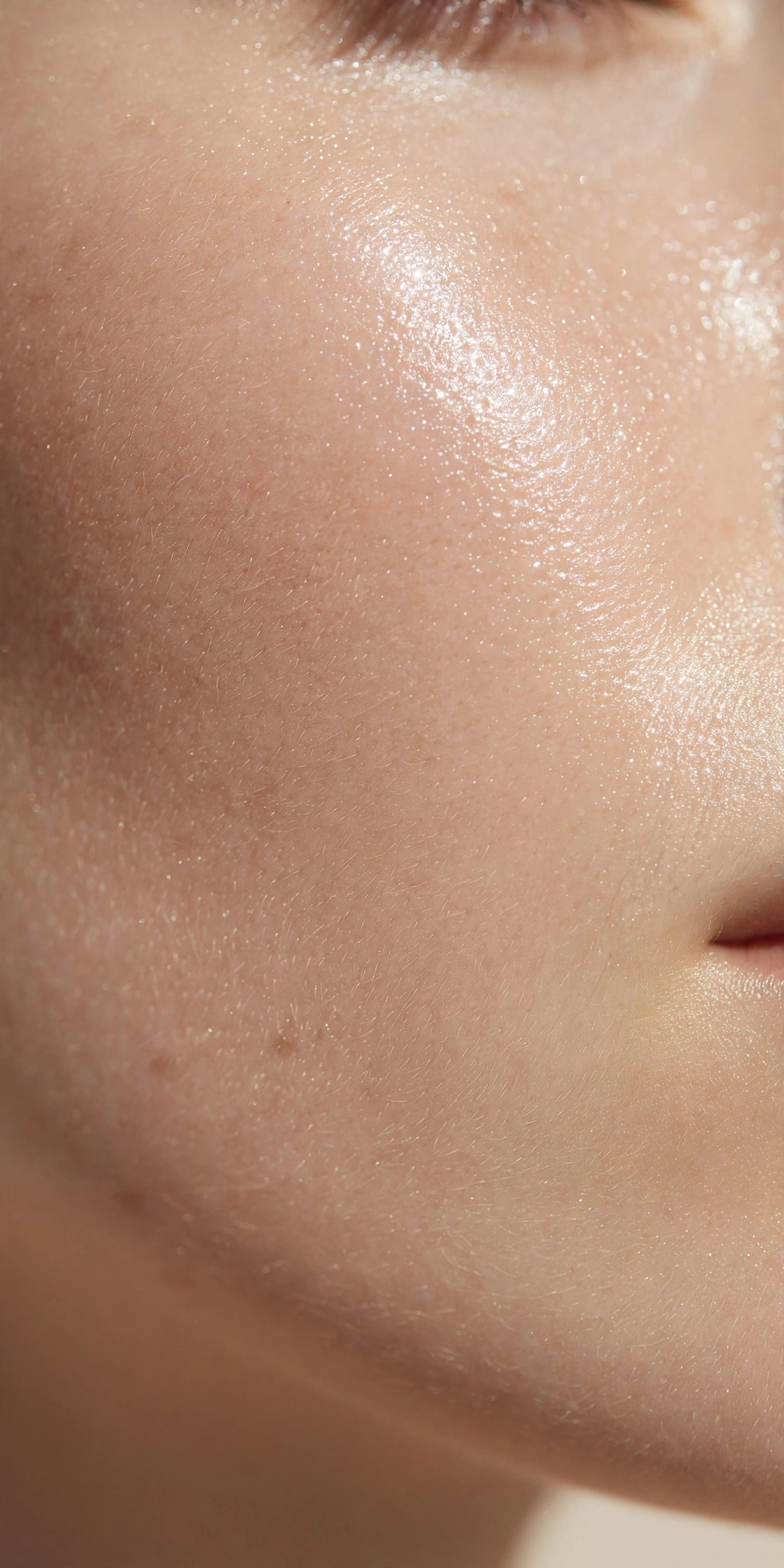
A dewy finish is dry skin’s best friend because it mimics the look of healthy, moisturized skin. Matte formulas absorb light and can make dry areas look flat and rough, while a luminous finish reflects light and softens the look of texture. The goal is a glow that looks like skin, not shine that looks oily.
Choose a concealer described as radiant or luminous and apply it sparingly, since dewy formulas can slide if over-applied. Set only the areas that truly crease, like the outer corner of the eye, and leave the rest untouched. A light mist of hydrating setting spray afterward helps everything meld together.
7. Sheer Buildable Layers
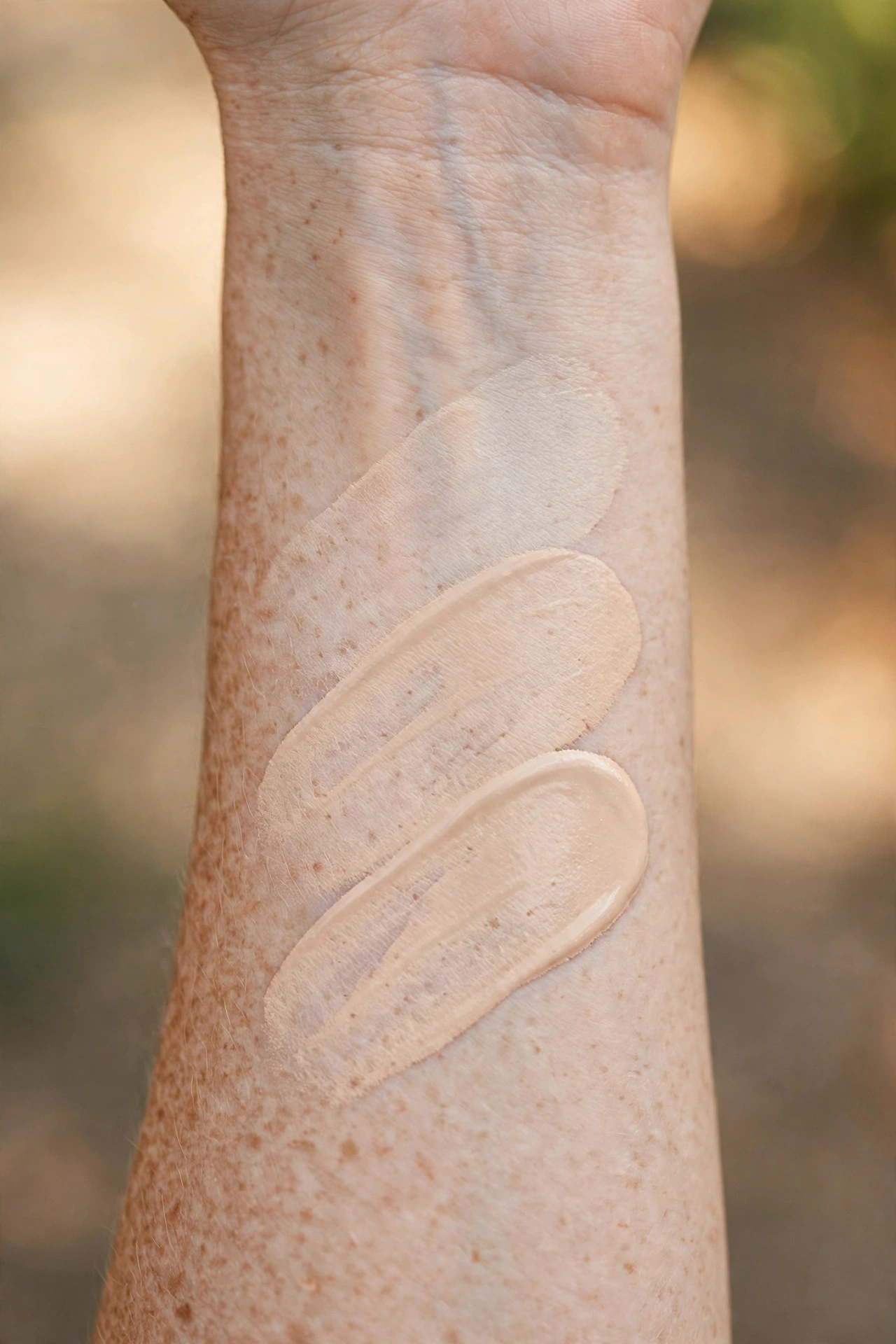
Sheer, buildable coverage beats one heavy layer every time on dry skin. A sheer formula lets your natural skin show through, which looks more like real skin and moves with your face instead of cracking. You stay in control, adding coverage only where you actually need it.
Start with the thinnest layer possible and blend it fully before deciding whether you need more. Most days, one sheer pass is enough for redness around the nose and mouth. For dark circles, add a second sheer pass just on the darkest part and feather the edges so the layers disappear into each other.
8. Hyaluronic Acid Infusion
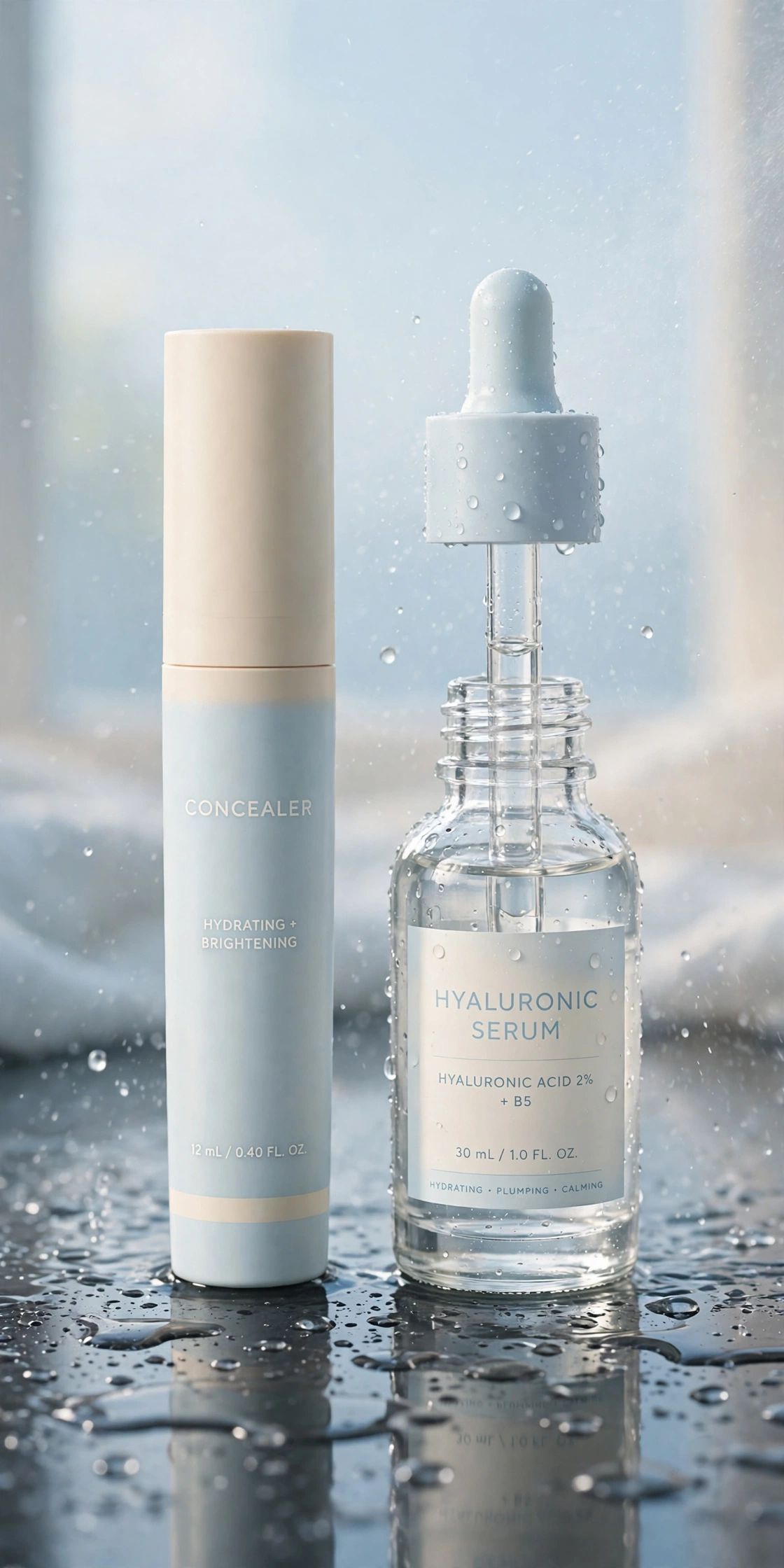
Hyaluronic acid is a humectant that can hold many times its weight in water, which makes it a smart ingredient to look for in a concealer for dry skin. It helps the formula stay flexible and comfortable instead of drying down tight. Skin looks plumper and smoother when it is well hydrated underneath makeup.
For the best result, apply your concealer while your moisturizer is still slightly tacky rather than fully absorbed. The damp base gives the hyaluronic acid something to work with. Press the concealer in gently and skip any heavy powder on top, which would undo the hydrating benefit.
9. Moisturizing Primer Pairing
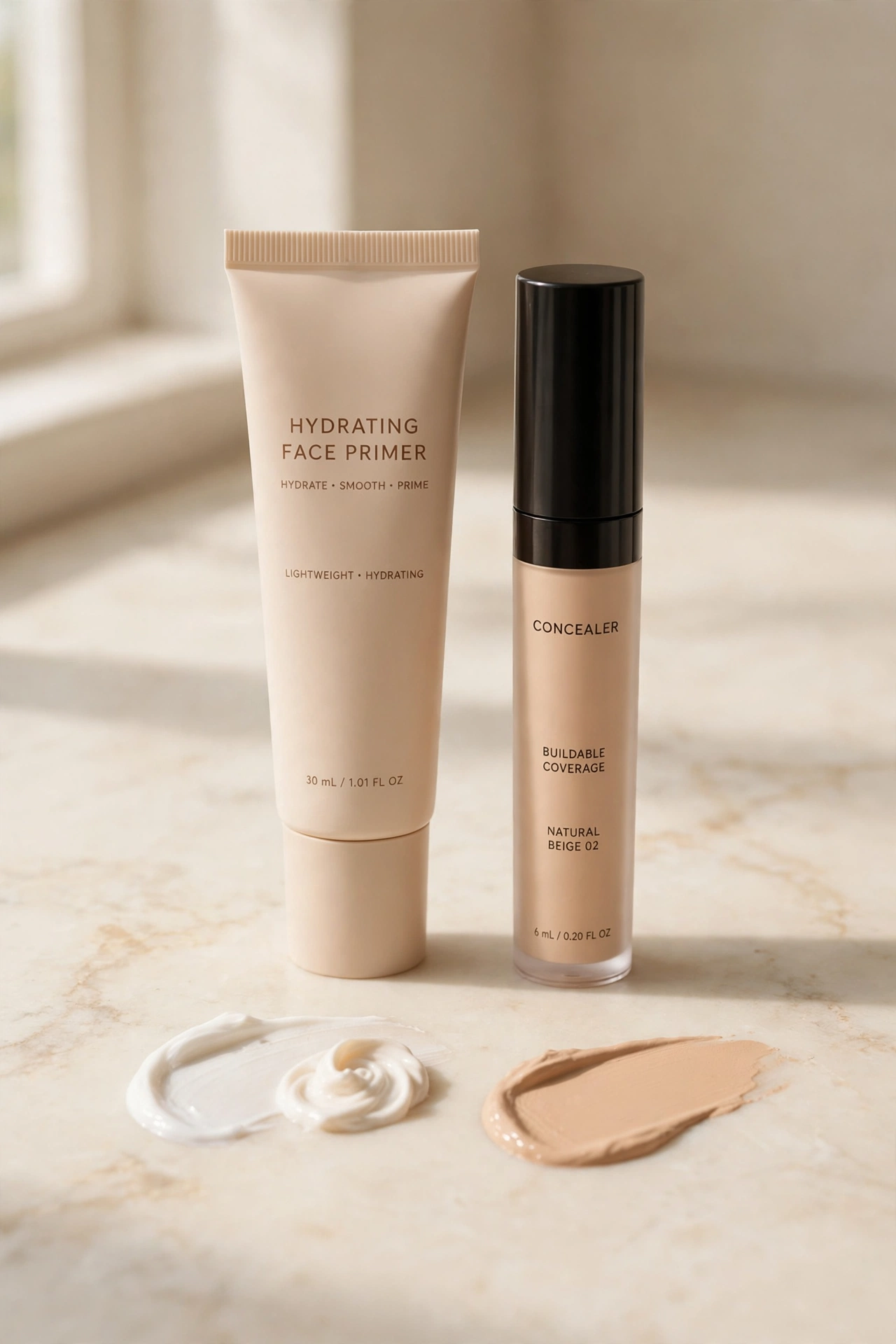
The right primer underneath makes almost any concealer behave better on dry skin. A moisturizing primer smooths over rough patches and gives the concealer an even surface to grip, so it applies more evenly and lasts longer. Think of it as a buffer between your skin and the makeup.
Smooth a pea-sized amount of hydrating primer over the areas you plan to conceal and wait a full minute before applying concealer. The pause lets the primer settle into a smooth film. If your skin is very dry, you can mix a tiny drop of facial oil into the primer for extra slip, but keep it away from the lash line.
10. Damp Sponge Application
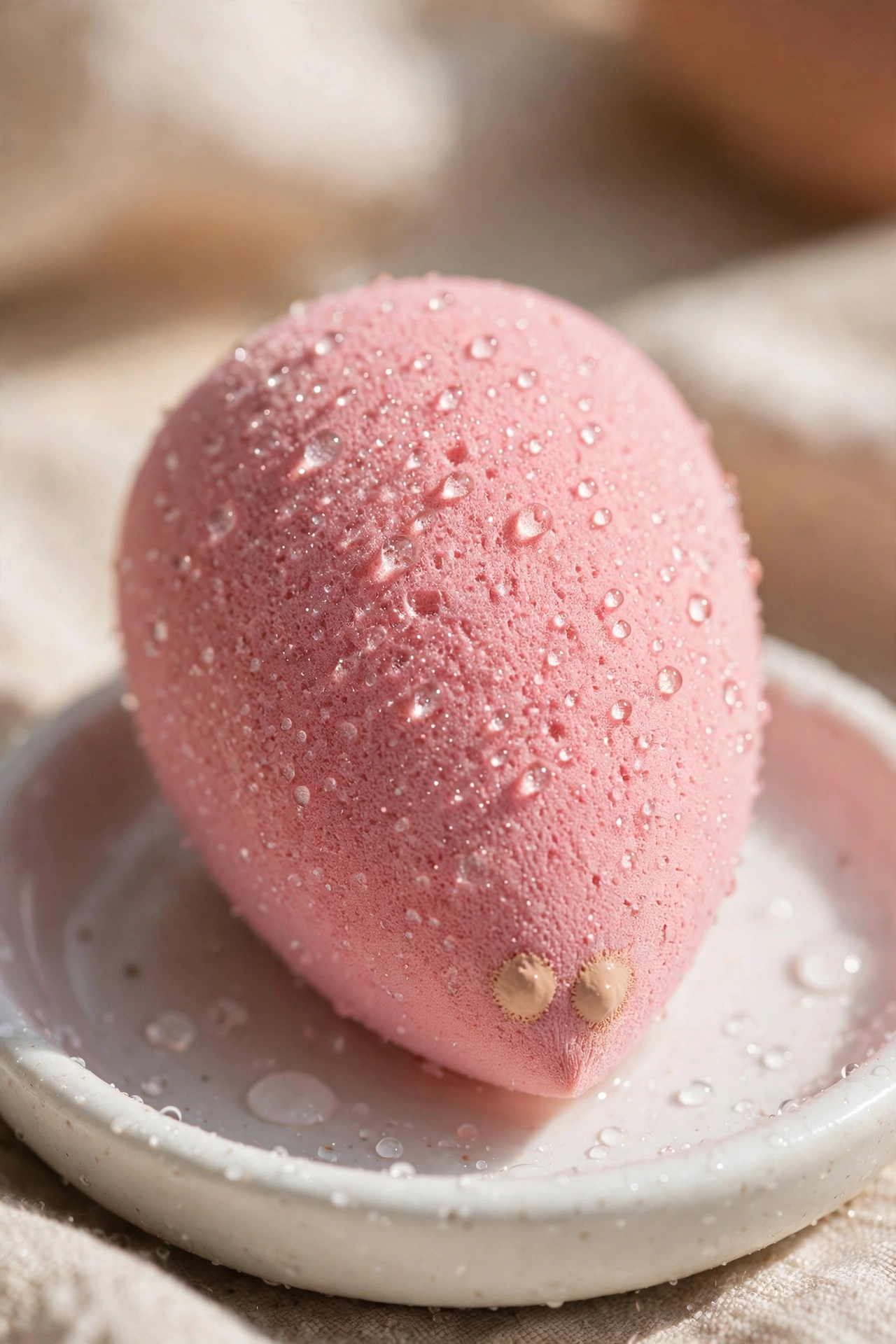
How you apply concealer matters as much as which one you buy, and a damp sponge is the kindest tool for dry skin. The moisture in the sponge thins the product slightly and presses it into the skin instead of sweeping it across the surface. The result is an even, skin-like finish with no streaks.
Wet the sponge fully, then squeeze out water until it feels just damp and springs back when pressed. Bounce it gently over the concealed areas rather than rubbing. Wash the sponge every few days, since a dirty sponge can drag and deposit old product that looks cakey on dry skin.
11. Warm-Up Between Fingers
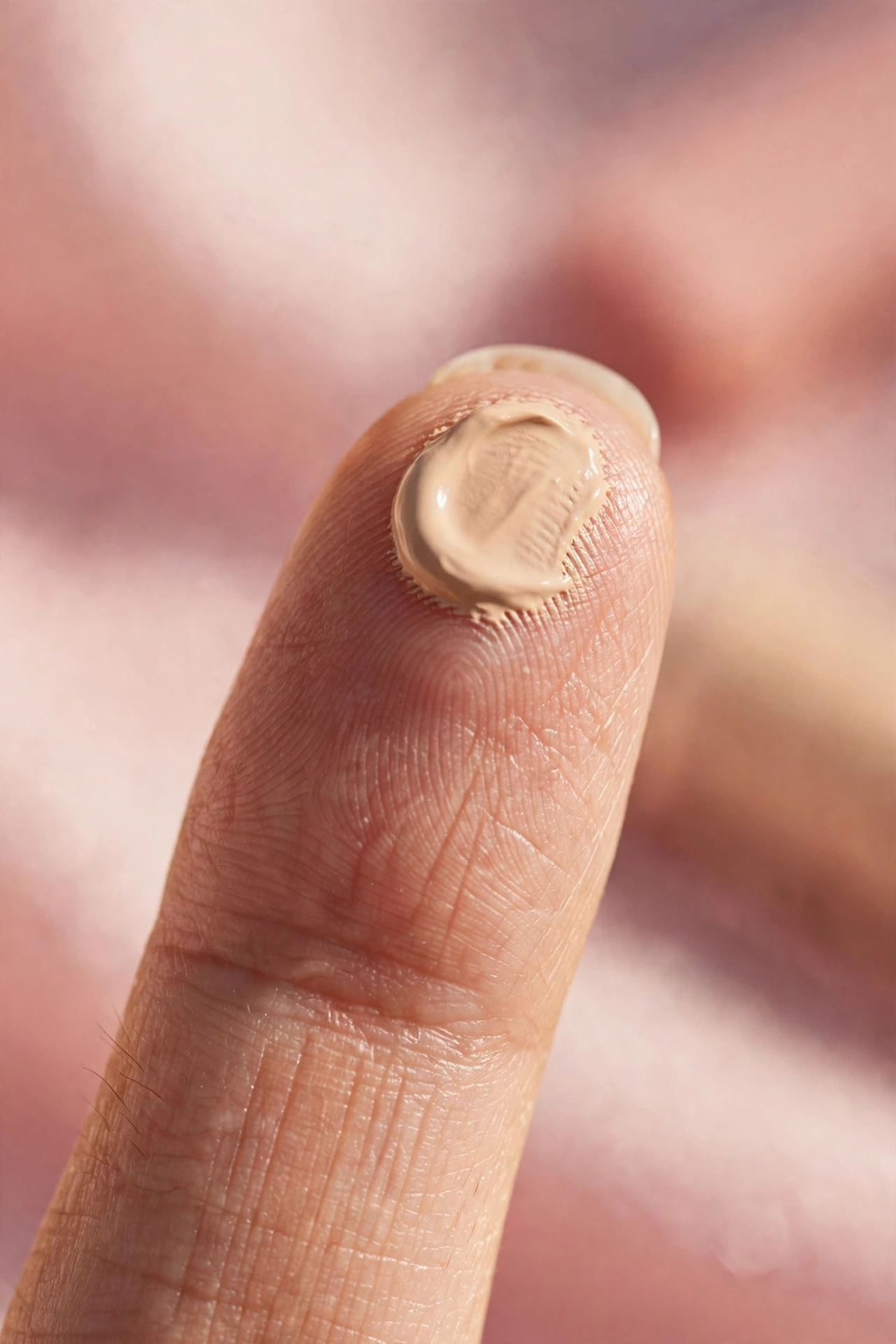
Your ring finger is a surprisingly good concealer tool for dry skin because its warmth melts the product into a thinner, more blendable texture. Fingers also give you more control over pressure than a brush, so you can press product exactly where it belongs without disturbing the skin underneath.
Dot the concealer on the back of your hand first, then pick up a little at a time with your ring finger. Pat it onto the skin in small pressing motions and blend the edges with the pad of the finger. The light pressure of the ring finger is ideal for the thin skin under the eyes.
12. Thin Layer Technique
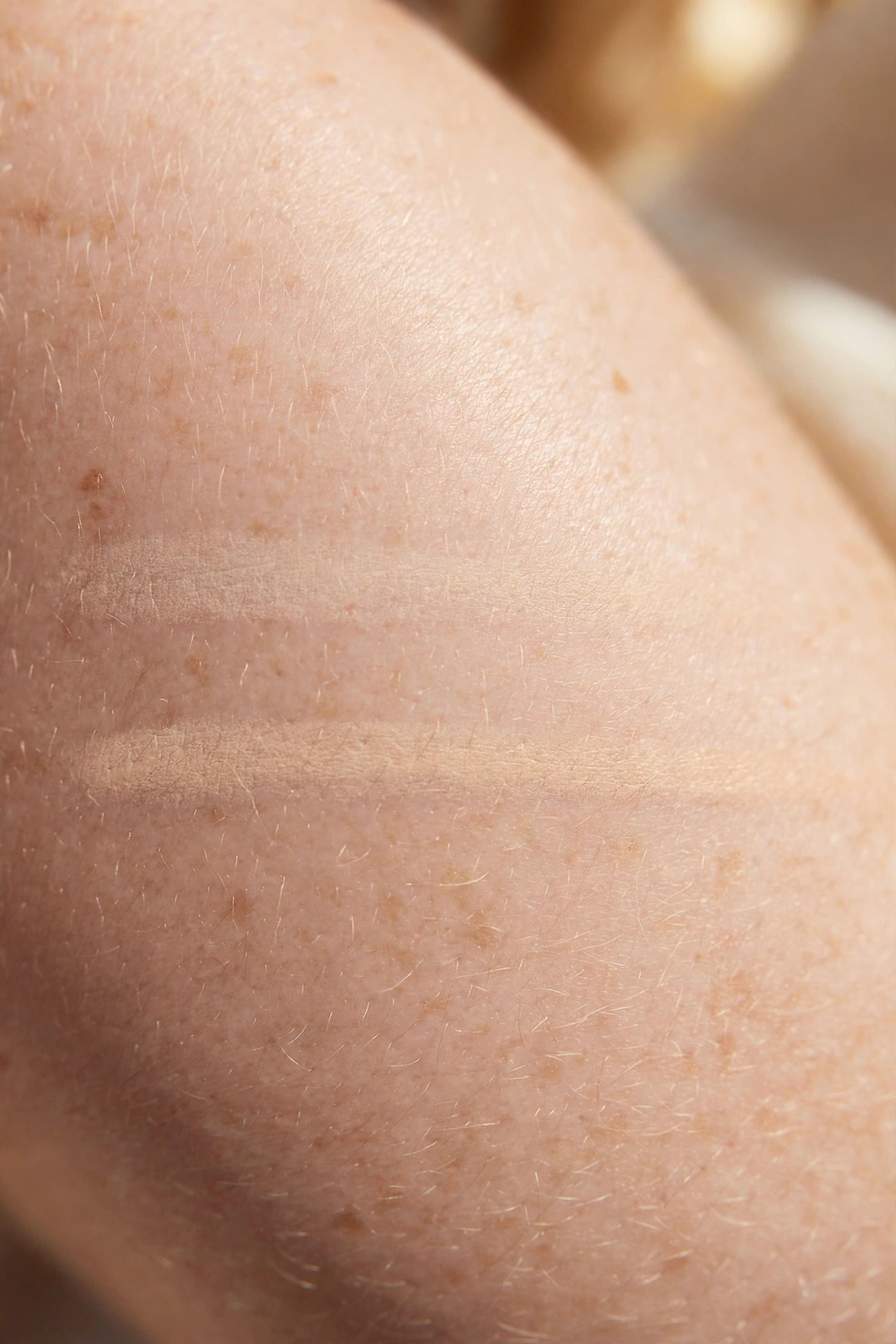
The single biggest mistake on dry skin is applying too much concealer at once. Thick layers dry down stiff, crack with facial movement, and highlight every flake. Thin layers stay flexible, look natural, and are easy to build if you need more coverage in one spot.
Use half the amount you think you need for the first pass and blend it completely. Step back from the mirror and check in natural light before adding more. You will often find the first thin layer was enough, and your skin will look smoother at the end of the day for the restraint.
13. Skip Heavy Powder
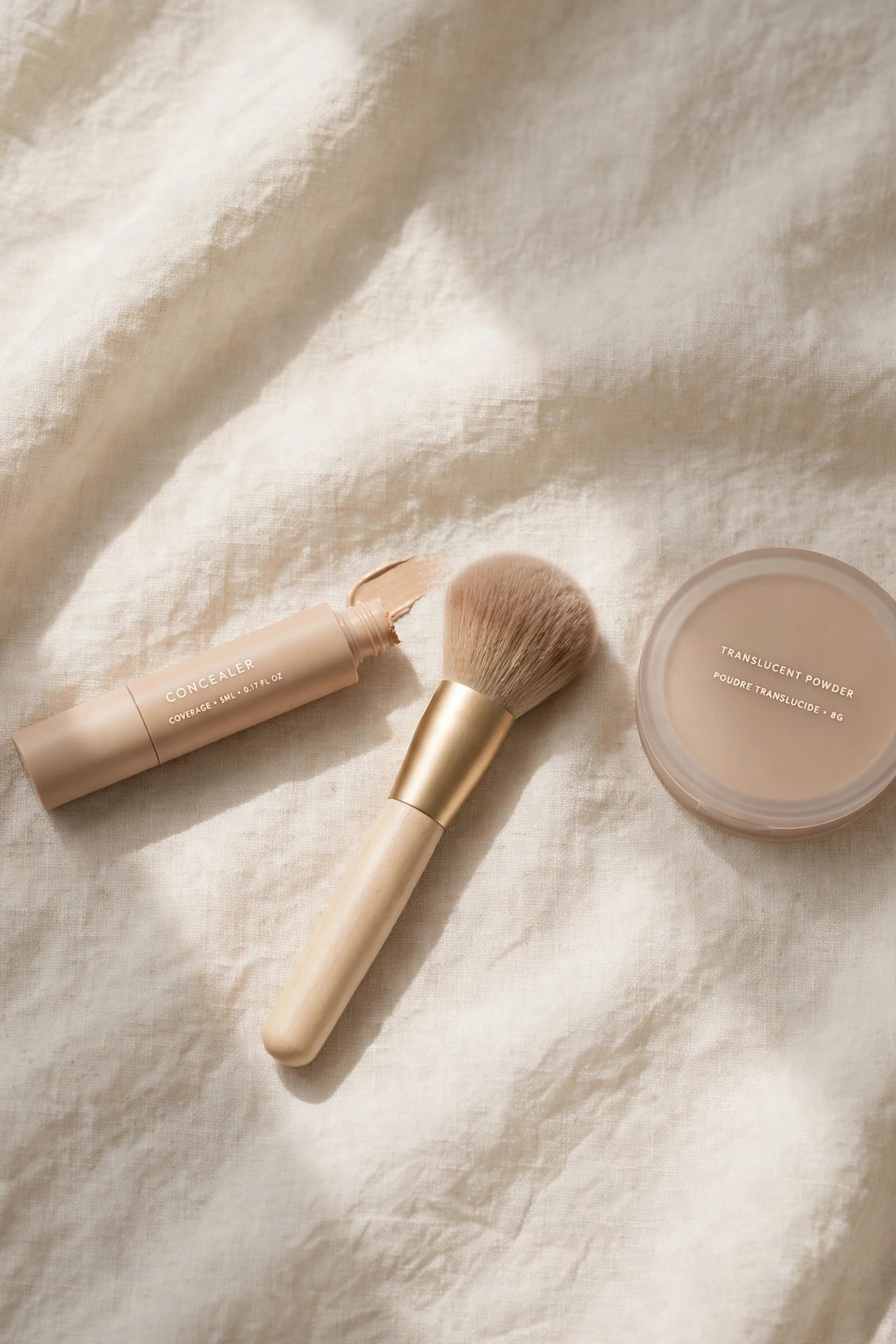
Setting powder is where many dry-skin concealer routines go wrong, because powder absorbs moisture and can turn a smooth finish chalky within hours. On dry skin, it is often better to skip powder entirely or use the tiniest amount only where concealer truly creases. Less powder means a fresher face at 5 pm.
If you must set, press a whisper of finely milled translucent powder just into the outer corner of the eye with a small fluffy brush, then tap off every bit of excess first. Leave the rest of the concealed area unset. A hydrating setting spray over the top helps remove any powdery look.
14. Hydrating Setting Mist
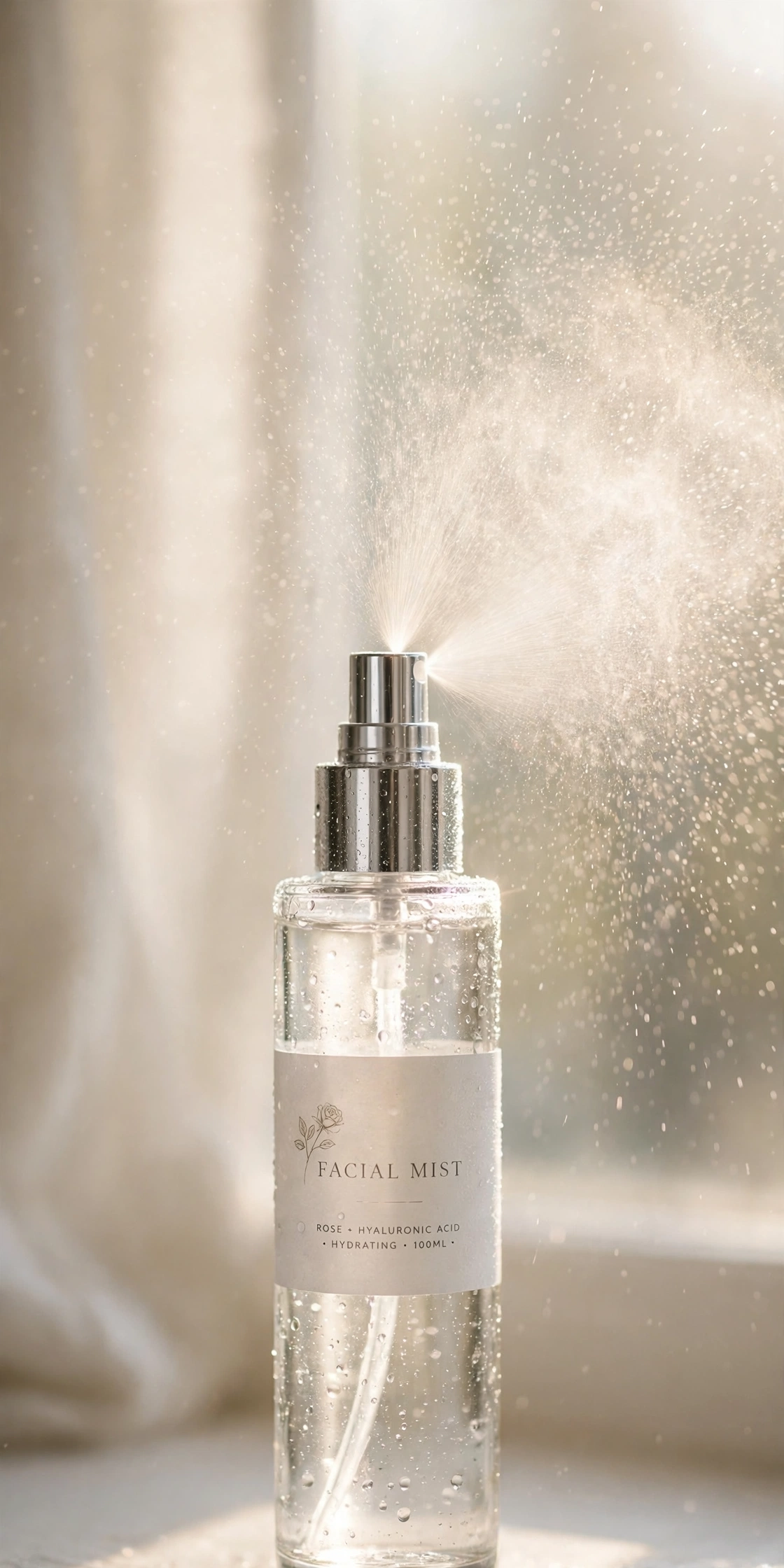
A hydrating setting mist is the finishing touch that pulls a dry-skin concealer routine together. It melts the layers of product into one seamless finish and adds back a little moisture that powder or long wear can take away. Skin looks dewy and lived-in rather than made-up.
Hold the bottle about eight inches from your face and mist in an X and T motion after all your makeup is on. Let it air dry instead of fanning it, which can disturb the finish. Keep a travel-size mist in your bag for a midday refresh that revives concealer without adding more product.
15. Eye Cream First
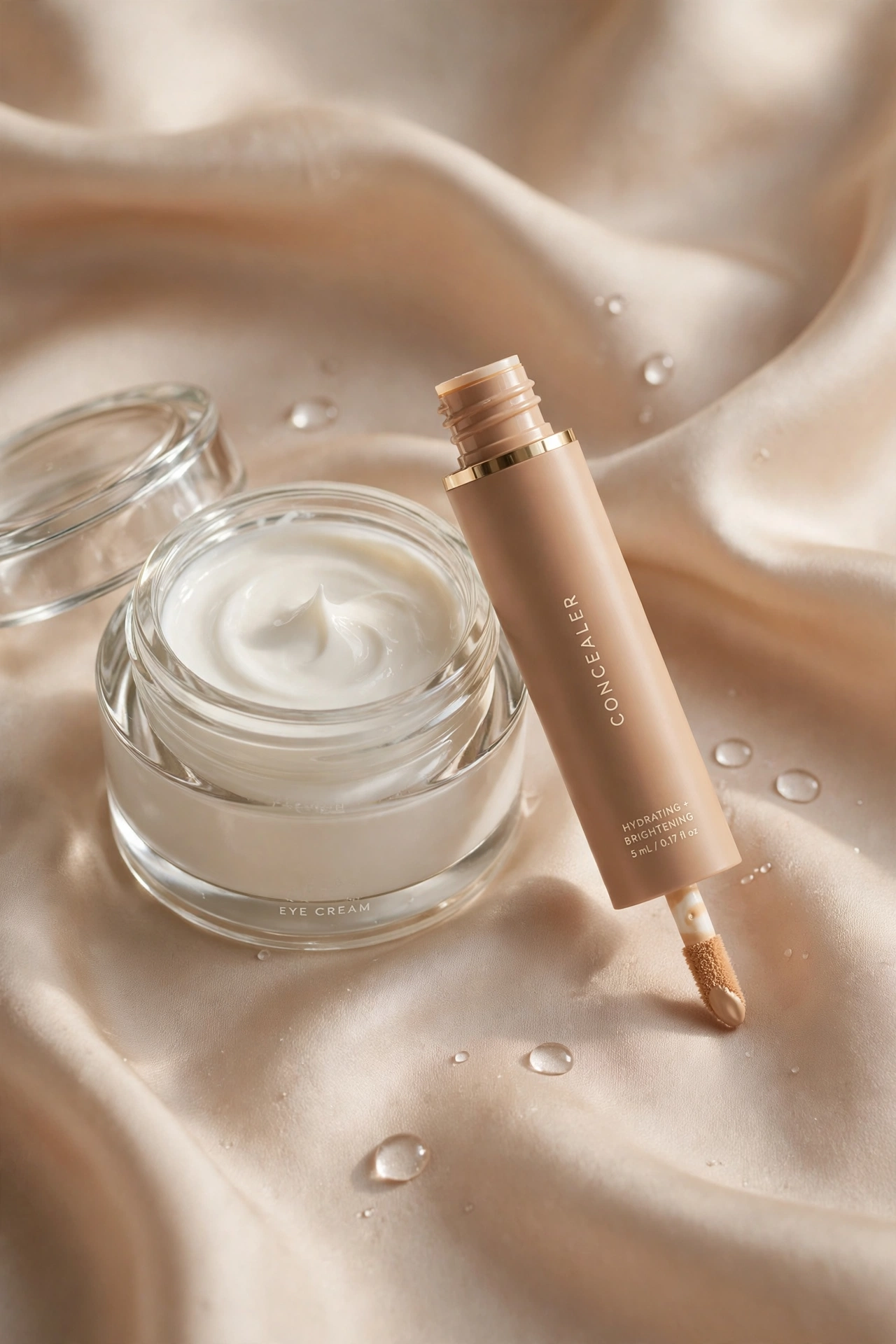
Concealer applies beautifully over prepped skin, and a good eye cream is the first step for dry under-eyes. It fills in fine dehydration lines and creates a smooth cushion so concealer glides instead of skipping. The difference between prepped and unprepped skin is easy to see by midday.
Pat eye cream around the orbital bone and wait two to three minutes before concealer. The wait matters: concealer slides over wet eye cream, while waiting lets it absorb into a smooth base. On extra dry days, our guide to the best eye creams for dark circles and puffiness can help you pick one that keeps moisture in.
16. Pat, Never Drag
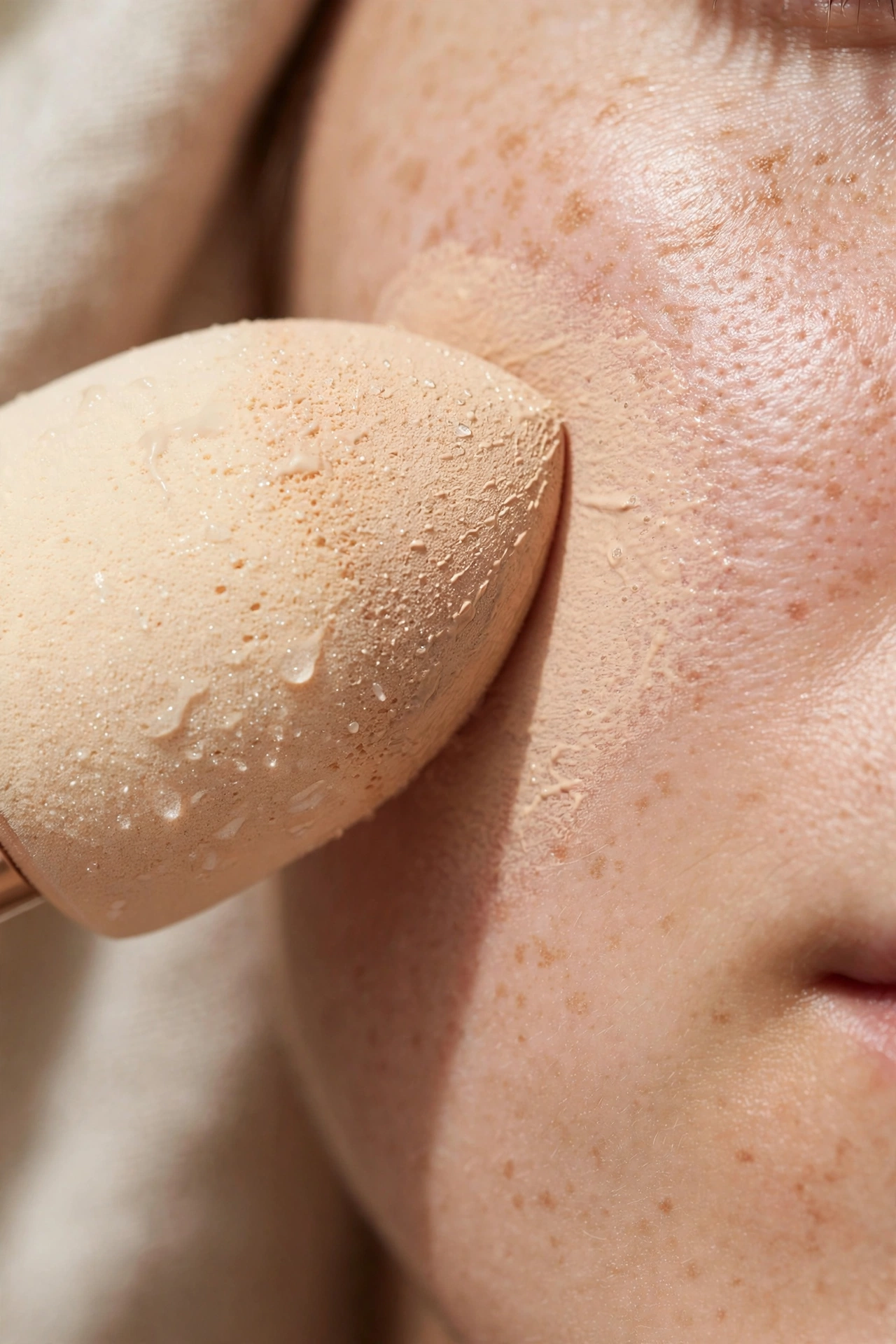
Dragging concealer across dry skin pulls at the surface and can leave streaks, move the product into lines, and irritate skin that is already sensitive from dryness. Patting presses the product straight down into the skin, which keeps coverage exactly where you placed it and disturbs nothing around it.
Use a gentle bouncing or pressing motion with your sponge, brush, or finger, lifting straight up between pats. Work from the inner corner outward in small sections so each area gets full attention. It takes a few seconds longer than sweeping, but the finish stays smooth and even for hours longer.
17. Inner Corner Brightening
The inner corners of the eyes tend to look shadowed, and a tiny touch of concealer there wakes up the whole face. Because the skin in the inner corner is thin and often dry, this spot rewards a light hand and a hydrating formula more than anywhere else. A little brightness here reads as rest.
Place one small dot of a slightly brightening concealer right in the inner corner and pat it to blend toward the nose bridge. Keep the product minimal, since this area creases easily when overloaded. The lift you get from this one dot often means you can use less concealer under the rest of the eye.

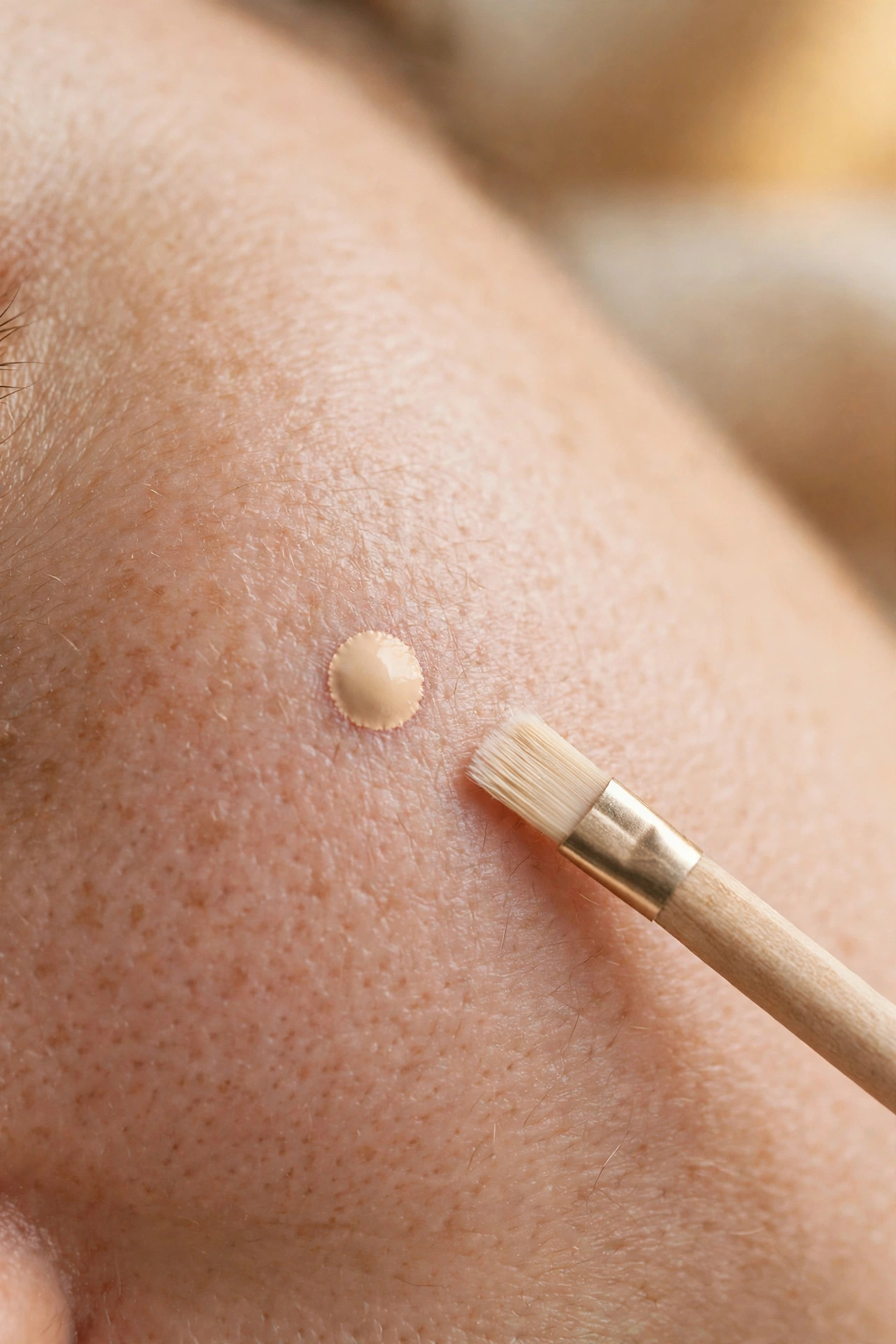
18. Spot Concealing Blemishes
Dry skin still gets blemishes, and spot concealing them calls for a different approach than the under-eye area. A slightly thicker, creamy formula grips small spots better, but it still needs a hydrated base so it does not form a dry ring around the blemish. Precision matters more than coverage here.
Dab a tiny amount directly onto the blemish with a clean fingertip, then press the edges to blend into the surrounding skin. Let it set for a minute before applying anything over it. Finish with a dewy blush, like the cream and liquid picks in our pink blush ideas, to keep the overall look fresh rather than flat.
19. Evening Out Redness
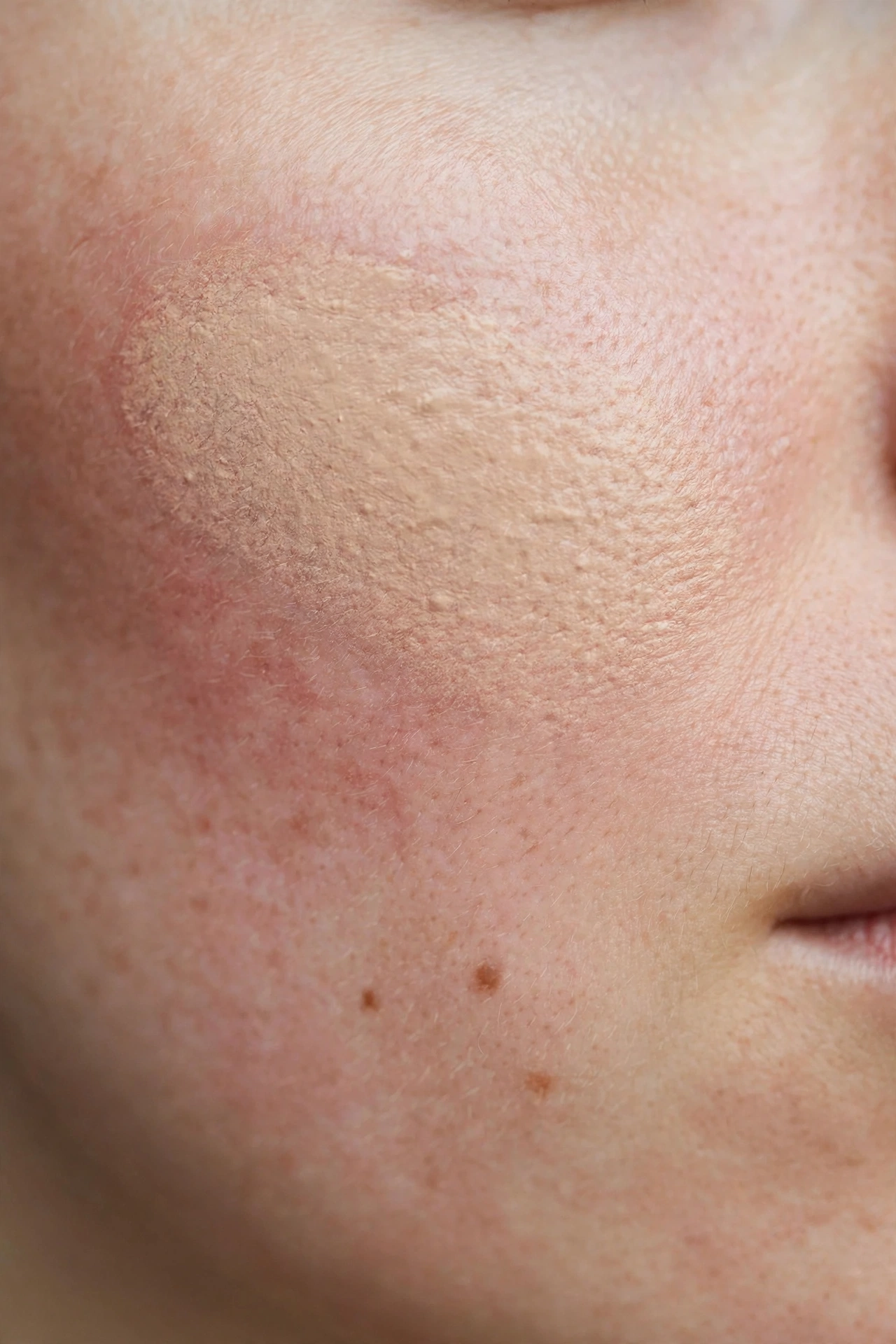
Redness around the nose, mouth, and cheeks is common with dry skin, and concealer can neutralize it without a full face of foundation. A concealer with a neutral or slightly yellow undertone cancels redness better than a pink-toned one. The key is blending the edges so the correction disappears into your natural skin tone.
Press small dots of concealer onto the reddest areas and blend outward with a damp sponge until no edge shows. Check your work in daylight, since indoor lighting can hide unblended spots. If redness peeks through by afternoon, press a tiny amount over it with a clean finger instead of layering more on top.
20. Touch-Up Without Caking
Touching up concealer on dry skin during the day can easily turn cakey if you just pile on more product. The trick is to revive what is already there first. A little moisture reactivates the concealer and lets you smooth it back into place, often with no new product needed at all.
Lightly mist your face or press a damp fingertip over the area, then gently pat the existing concealer smooth. Only if coverage has truly faded should you add the smallest dot of fresh concealer on top. Dermatologists also suggest layering hydration under concealer and mixing a drop of moisturizer into it to prevent caking through the day.
Conclusion
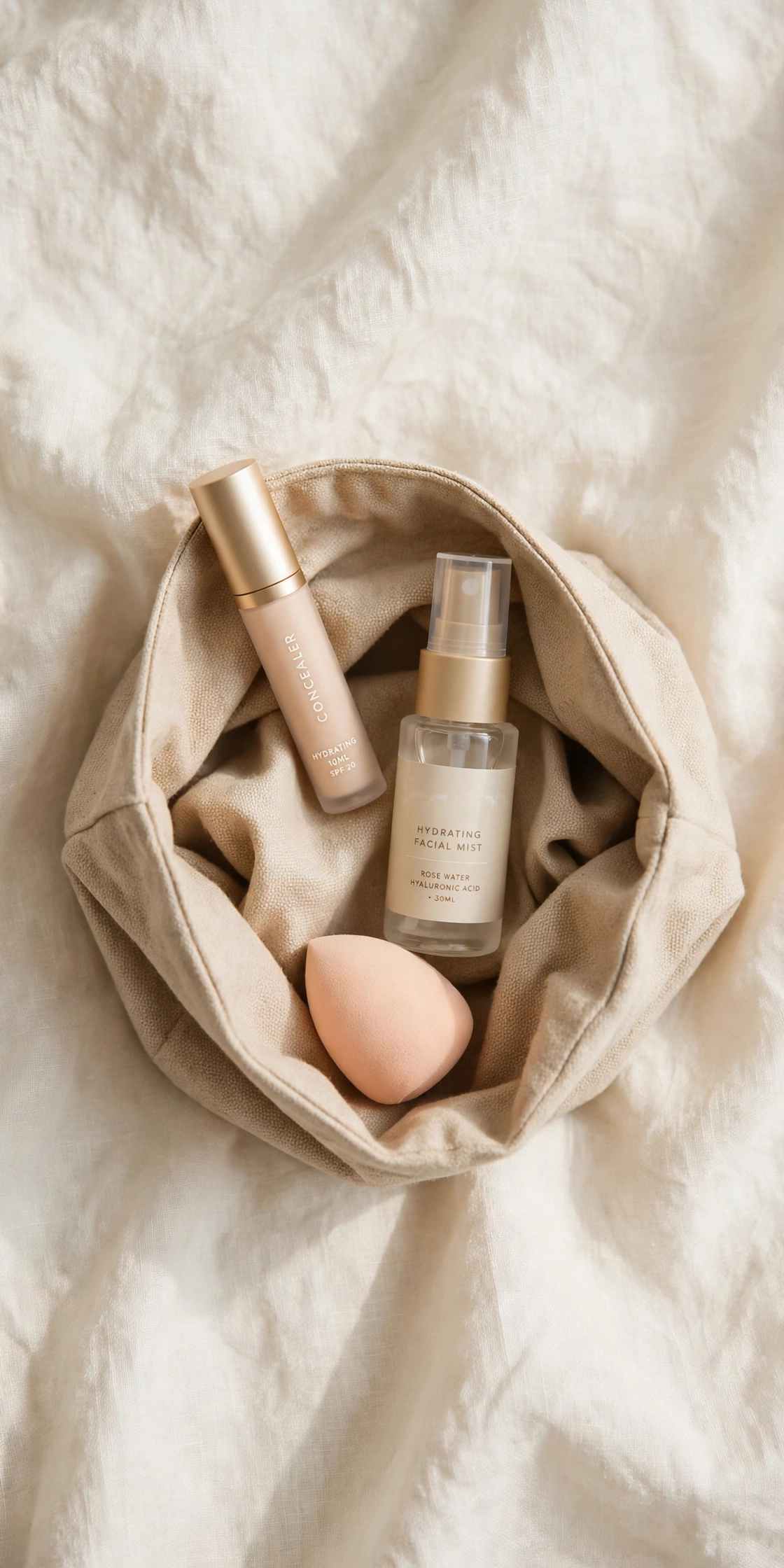
The best concealers for dry skin share one trait: they add comfort instead of taking moisture away. Pick a hydrating formula, prep with eye cream and primer, apply in thin patted layers, and go easy on the powder. Small habits like these keep your concealer looking smooth from morning to night. Save this guide to your Pinterest beauty board so you have these dry-skin tricks handy whenever your makeup bag needs a refresh.
Frequently Asked Questions
What type of concealer is best for dry skin?
Liquid, serum, and creamy hydrating formulas work best for dry skin. Look for ingredients like hyaluronic acid, glycerin, or niacinamide, and finishes described as dewy, radiant, or luminous. Avoid thick matte or long-wear formulas, which tend to cling to dry patches and settle into fine lines.
Should I use powder to set concealer on dry skin?
Usually it is better to skip powder or use very little. Powder absorbs moisture and can make concealer look chalky on dry skin within a few hours. If you crease, press a tiny amount of finely milled translucent powder only into the creased area and finish with a hydrating setting spray.
Why does my concealer look cakey on dry skin?
Caking usually comes from too much product, dry unprepped skin underneath, or heavy powder on top. Start with moisturized skin and eye cream, apply concealer in thin layers with a damp sponge, and build coverage gradually. Less product almost always looks smoother on dry skin.
Can I wear concealer every day if my skin is dry?
Yes, as long as you choose a hydrating formula and prep well. Keep your skincare routine consistent, remove makeup gently each night, and give your skin makeup-free days when it feels irritated. If dryness worsens, a richer moisturizer underneath usually fixes the problem.



3 Comments