Finding the right shampoo and conditioner can make wash day much easier. The best combination should clean your scalp, leave your hair manageable, and suit your hair’s texture and needs. However, a shampoo and conditioner set that works well for someone with thick, curly hair may feel too heavy for someone with fine, straight hair.
That is why choosing products based on your hair type matters more than buying the most expensive bottles or following every haircare trend. Some hair types need extra moisture, while others benefit from lightweight formulas, gentle cleansing, or color-care products.
In this guide, we will look at 15 shampoo and conditioner sets and formula types worth considering for different hair needs. You will also learn what to look for on ingredient labels, how to choose the right combination, and how to build a simple wash-day routine.
How to Choose the Best Shampoo and Conditioner Set
Before choosing a shampoo and conditioner set, think about your scalp, hair texture, styling routine, and the results you want. Your scalp may become oily while the ends of your hair remain dry, so you may need a cleansing shampoo with a more moisturizing conditioner.
Here are a few things to consider:
- Hair texture: Fine, medium, thick, wavy, and curly hair can respond differently to the same formula.
- Scalp condition: Oily roots may need a different shampoo from a dry or sensitive scalp.
- Hair treatments: Bleaching, coloring, straightening, and frequent heat styling can affect how your hair feels and behaves.
- Conditioner weight: Lightweight conditioners may suit fine hair, while richer formulas can help make thick or coarse hair easier to detangle.
- Ingredient preferences: If you prefer sulfate-free, fragrance-free, or silicone-free products, check the complete ingredient list rather than relying only on front-label claims.
Shampoo is primarily designed to cleanse the scalp and hair, while conditioner helps improve softness, manageability, and shine. Choosing formulas that match your needs is more useful than assuming one set works for everyone. Dermatology review on shampoo and conditioners.
1. Best Shampoo and Conditioner Set for Dry Hair
Dry hair can feel rough, look dull, and become difficult to brush. If your hair often feels dry after washing, look for a shampoo that cleans without leaving it feeling overly stripped and a conditioner that helps soften the lengths.
Moisturizing formulas may contain ingredients such as glycerin, fatty alcohols, conditioning agents, or plant oils. The right combination depends on your hair’s thickness and how much conditioning it needs.
What to look for:
- A gentle cleansing formula suited to your scalp.
- A conditioner designed for dry or moisture-depleted hair.
- Ingredients that improve softness and reduce friction during detangling.
- A formula that leaves your roots comfortable rather than greasy.
Apply conditioner mainly to the middle lengths and ends if your roots become oily quickly. If your hair is thick or very dry, you may prefer a richer conditioner.
Set to consider: A moisture-focused range, such as TRESemmé Rich Moisture or OGX Renewing + Argan Oil of Morocco, may be worth comparing. Check the current formulas and choose the one that suits your hair and scalp.
2. Best Shampoo and Conditioner Set for Fine Hair
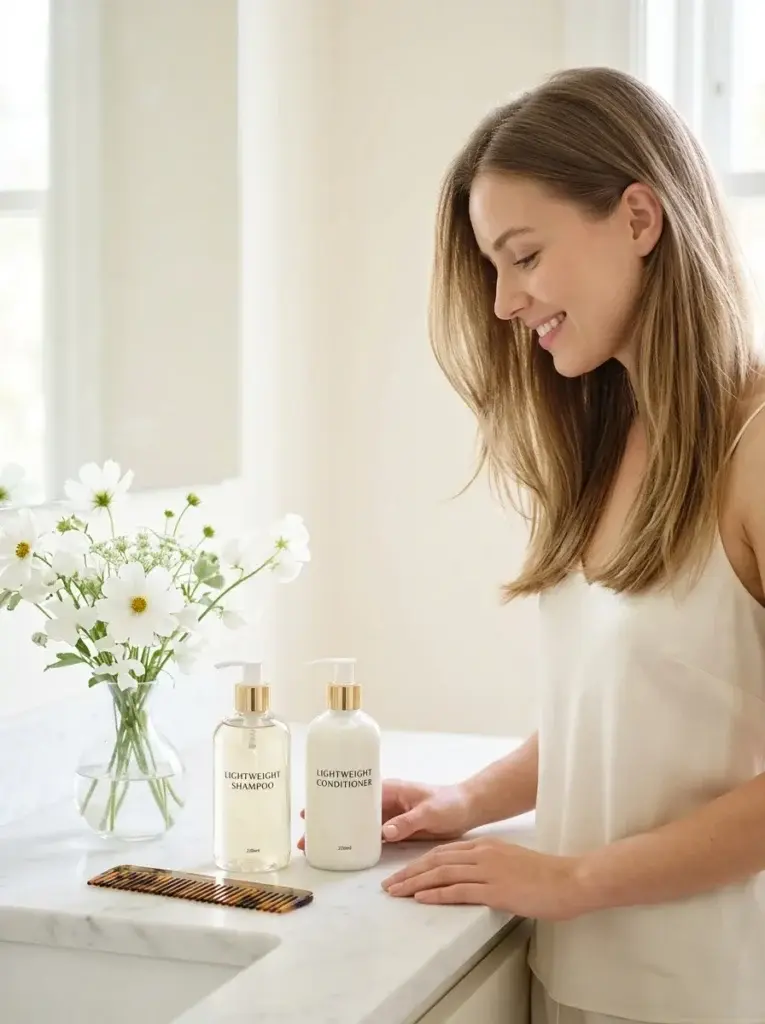
Fine hair can become flat when products leave too much residue or add more weight than the strands can comfortably support. The goal is to cleanse the scalp effectively while keeping the hair soft and easy to style.
Look for lightweight formulas labeled for volume, fine hair, or everyday cleansing. A conditioner can still be useful for fine hair, especially when the ends tangle, but you may need less product than someone with thick or coarse hair.
What to look for:
- Lightweight conditioning rather than an extremely rich formula.
- A shampoo that removes excess oil and styling residue.
- A conditioner that rinses cleanly.
- Packaging that allows you to control how much product you use.
Avoid applying large amounts of conditioner directly to the roots if that makes your hair look flat. Start with a small amount on the ends and adjust according to how your hair feels.
Set to consider: Compare lightweight volume-focused sets, including the MONDAY Haircare Volume range where available. Product results vary, so check whether the current formula matches your needs.
3. Best Shampoo and Conditioner Set for Curly Hair
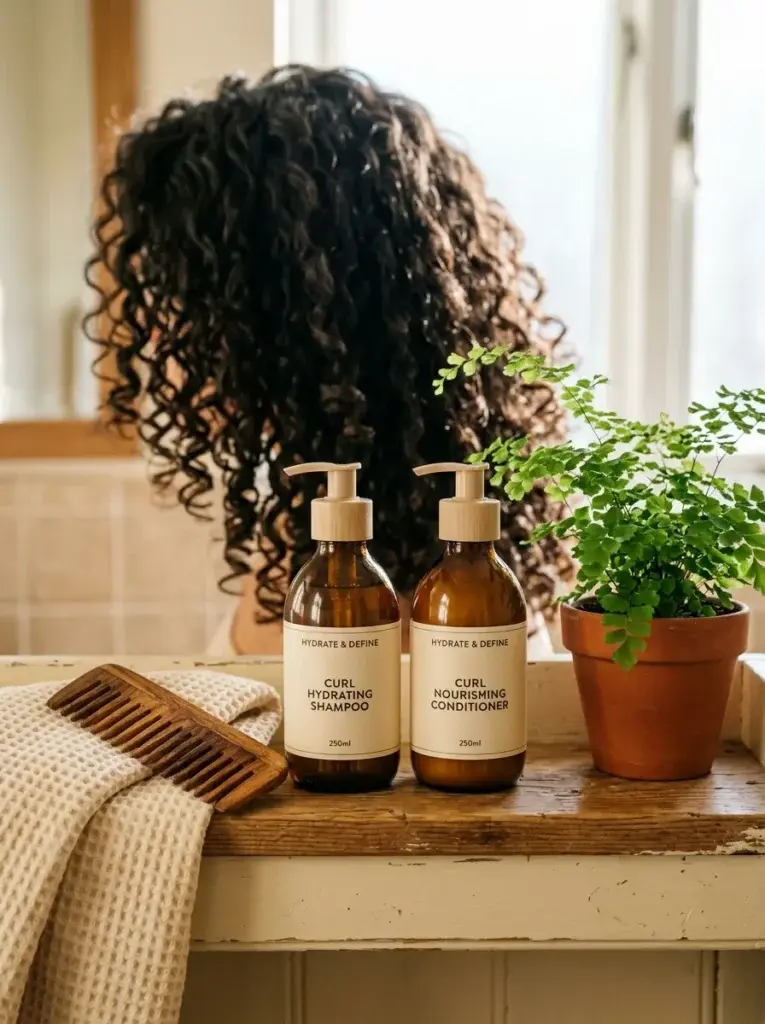
Curly hair often needs extra attention when it comes to moisture and detangling. Depending on the curl pattern and strand thickness, it may be more prone to knots, dryness, or frizz.
A suitable shampoo should clean your scalp without leaving your curls feeling uncomfortably dry. A conditioner should provide enough slip to make detangling easier without leaving your hair coated or weighed down.
What to look for:
- A shampoo formulated for curly or textured hair.
- A conditioner that helps with detangling.
- Conditioning ingredients that leave curls manageable.
- A formula compatible with your preferred styling routine.
Work shampoo into the scalp using your fingertips rather than aggressively rubbing the lengths. Apply conditioner through the hair and detangle gently with your fingers or a wide-tooth comb, starting at the ends.
Set to consider: SheaMoisture offers haircare ranges aimed at textured and curly hair. Compare individual formulas because different curl patterns and strand thicknesses may need different levels of conditioning.
4. Best Shampoo and Conditioner Set for Frizzy Hair
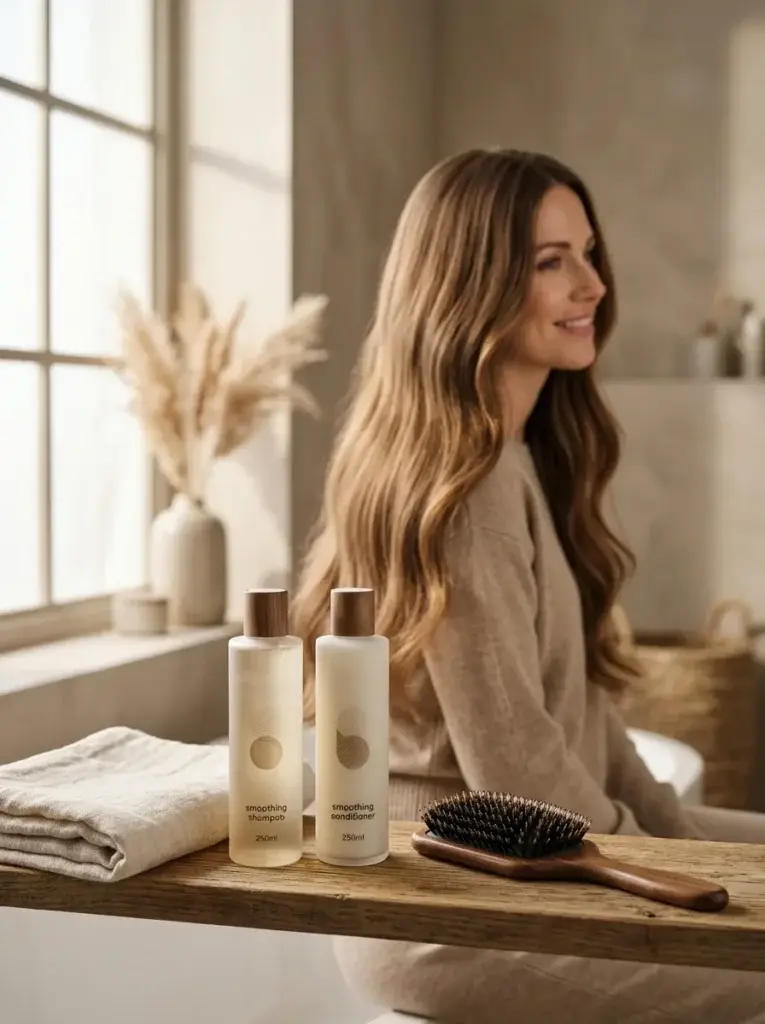
Frizz can become more noticeable when hair is dry, damaged, exposed to humidity, or frequently brushed and heat-styled. A smoothing shampoo and conditioner set may help improve the feel and appearance of the hair, although results depend on the cause of the frizz.
Look for conditioners that improve slip and reduce friction. If you regularly use heat tools, consider adding a suitable heat protectant rather than relying on shampoo and conditioner alone.
What to look for:
- Smoothing or anti-frizz formulas.
- Conditioning ingredients that improve manageability.
- A shampoo that suits your scalp without over-cleansing.
- A conditioner that does not leave your hair feeling heavy.
Avoid brushing textured hair aggressively when it is dry if doing so makes the frizz worse. Instead, try gentle detangling and choose styling methods suited to your hair type.
Set to consider: OGX Renewing + Argan Oil of Morocco is one option to compare if you want a more conditioning routine. Check the current label and see whether its formula suits your hair’s needs.
5. Best Shampoo and Conditioner Set for Color-Treated Hair
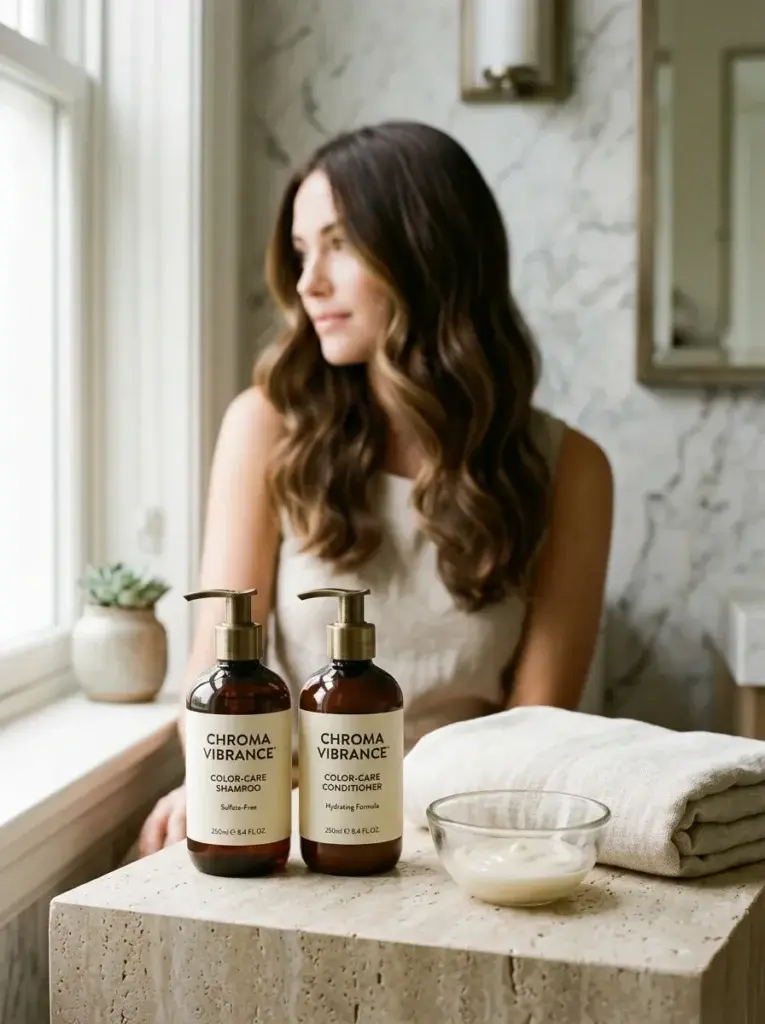
Color-treated hair may need a gentler routine because coloring and bleaching can change the condition of the hair fiber. A suitable shampoo and conditioner can help maintain softness and manageability while supporting your color-care routine.
If you have colored or highlighted hair, check the product label for compatibility with color-treated hair. Sulfate-free formulas are one option, but sulfates are not automatically unsuitable for everyone. Your scalp, color treatment, washing frequency, and the specific formula all matter.
What to look for:
- Products labeled for color-treated hair.
- A shampoo that cleans your scalp without leaving your lengths feeling too dry.
- A conditioner that improves softness and detangling.
- Clear instructions for use on dyed, highlighted, or bleached hair.
Wash with water that feels comfortably warm rather than very hot, and follow any specific advice from your stylist for maintaining your particular color.
6. Best Shampoo and Conditioner Set for Damaged Hair
Heat styling, bleaching, chemical treatments, and repeated friction can leave hair feeling rough or prone to breakage. A conditioning routine can help improve how damaged hair feels and behaves, but it cannot permanently restore hair that has already split or broken.
Look for formulas intended for damaged or chemically treated hair. Some products focus on conditioning and detangling, while others use specific technologies marketed for strengthening or bond care. Claims differ by product, so check the manufacturer’s information and avoid expecting one set to reverse every kind of damage.
What to look for:
- A shampoo suited to your scalp and treatment history.
- A conditioner that helps reduce friction during brushing.
- A formula intended for chemically treated or damaged-looking hair.
- Instructions that explain how often to use the products.
You may also benefit from reducing high-heat styling and avoiding rough towel-drying. Trimming split ends can improve the appearance of the hair, but shampoo and conditioner cannot permanently mend them.
Set to consider: Olaplex No. 4 and No. 5 are a recognizable shampoo-and-conditioner pairing marketed around hair maintenance and bond care. Read the current product information to determine whether the set fits your needs and budget.
7. Best Shampoo and Conditioner Set for Oily Hair
If your roots become greasy soon after washing, you may need a shampoo that removes excess oil without irritating your scalp. The best routine depends on how oily your scalp becomes, how often you exercise, and whether you use styling products.
A conditioner is still useful for many people with oily roots. The key is choosing one that suits your hair lengths and applying it where it is needed rather than automatically coating the scalp.
What to look for:
- A cleansing shampoo suited to oily roots.
- A lightweight conditioner.
- A formula that rinses thoroughly.
- A washing schedule that keeps your scalp comfortable.
You do not need to force your hair to go several days without washing if your scalp feels uncomfortable. Choose a frequency that works for your scalp and hair.
If oiliness comes with persistent itching, redness, or flaking, consider asking a healthcare professional about the cause rather than relying on ordinary cosmetic products alone.
8. Best Shampoo and Conditioner Set for Thick Hair
Thick hair can take longer to wash and detangle, particularly when the strands are coarse or the hair is long. A richer conditioner may make the lengths easier to manage, while the shampoo should still be selected according to your scalp.
Hair density and strand thickness are not the same thing. Someone can have a lot of fine hair, while another person may have fewer but much thicker strands. Think about both factors when choosing your products.
What to look for:
- A shampoo that reaches and cleans your scalp.
- A conditioner with enough slip for your hair’s length and texture.
- A formula that helps reduce tangling.
- A bottle size that makes sense for how much product you use.
Sectioning very thick hair during washing can help distribute shampoo and conditioner more evenly. Rinse thoroughly so that product residue does not build up.
9. Best Shampoo and Conditioner Set for Wavy Hair
Wavy hair sits between straight and curly textures, so the ideal product balance can take some experimentation. A formula that is too heavy may flatten the waves, while one that does not provide enough conditioning may leave the lengths looking puffy.
Start with a shampoo that suits your scalp and a conditioner that leaves your waves soft without coating them. If your hair is fine, try a lighter conditioner; if your waves are thick or dry, you may prefer more conditioning.
What to look for:
- A balanced shampoo and conditioner duo.
- Lightweight moisture if your waves lose volume easily.
- Extra detangling support if your hair knots.
- A formula compatible with your styling products.
After washing, gently squeeze excess water from your hair rather than rubbing it vigorously with a towel. You can then use a styling product designed for waves if you want more definition.
10. Best Shampoo and Conditioner Set for Volume
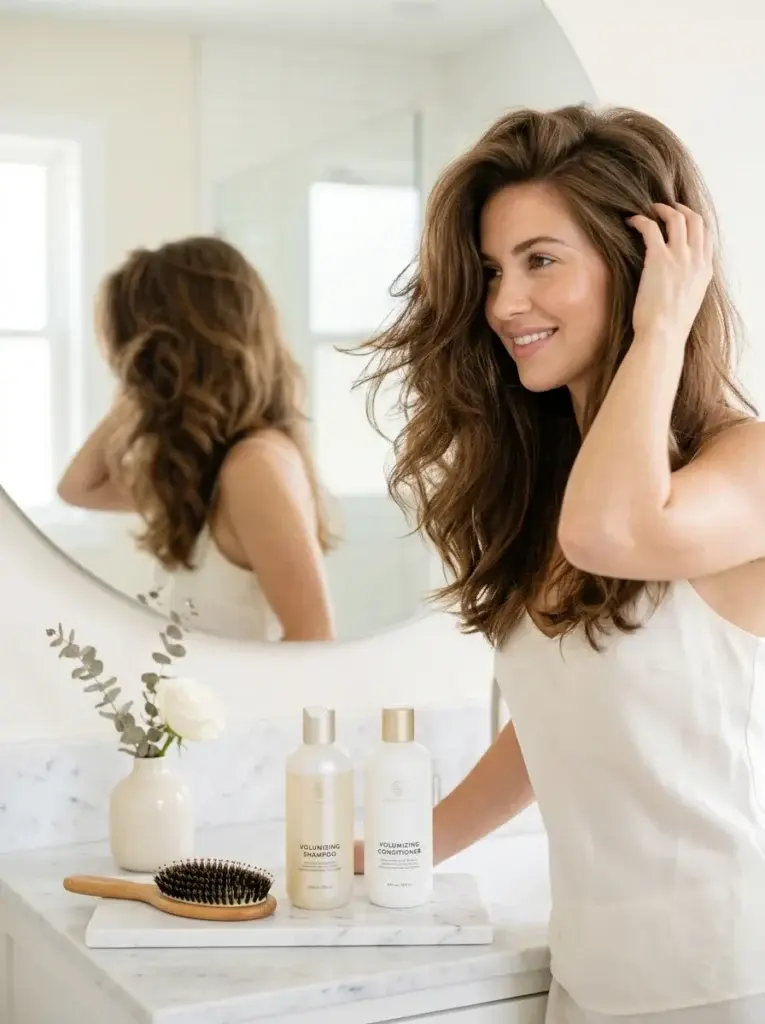
If your hair tends to look flat, a volumizing shampoo and conditioner may help it feel lighter and easier to style. These formulas are generally intended to clean the hair while avoiding the heavy conditioning feel that some people experience with richer products.
Volume is also affected by your haircut, styling technique, hair density, and how much product remains on the scalp. A shampoo set can support your routine, but it will not change your natural hair density.
What to look for:
- A shampoo labeled for volume or fine hair.
- A lightweight conditioner.
- Products that rinse out without leaving a heavy coating.
- A formula that does not make your scalp feel dry or irritated.
Keep conditioner away from the roots if it reduces lift, and use only the amount needed to detangle your lengths.
Set to consider: Compare volume-focused ranges such as MONDAY Haircare Volume, checking the current ingredient list and product directions before buying.
11. Best Shampoo and Conditioner Set for Coarse Hair
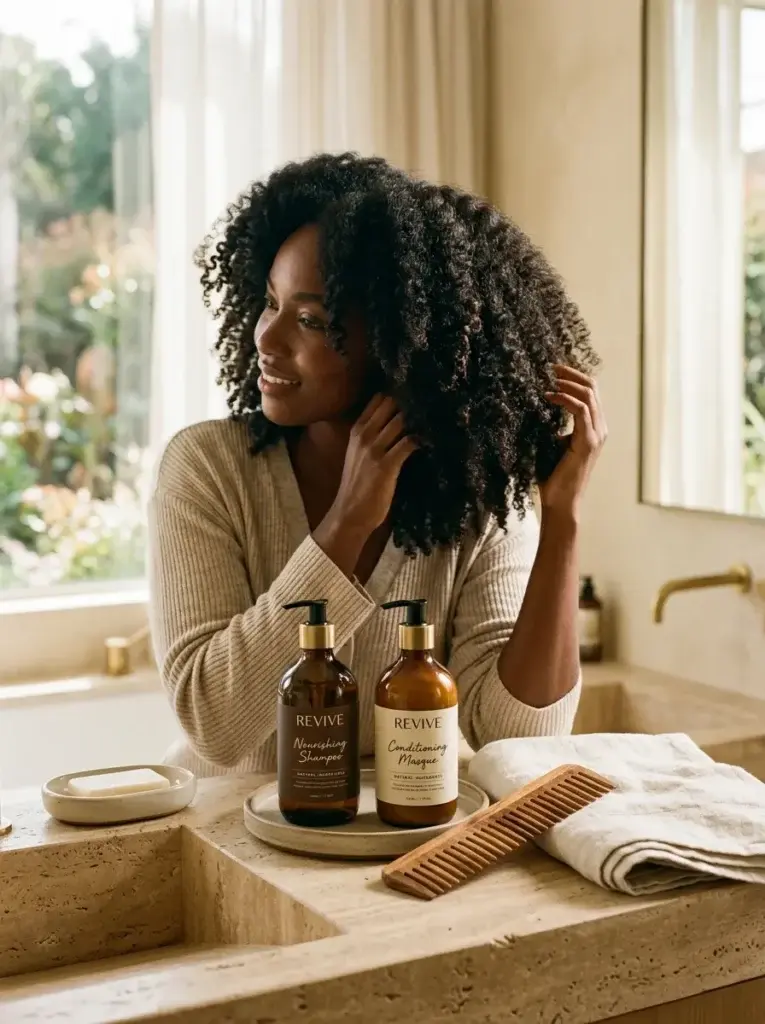
Coarse hair often benefits from conditioning that makes the strands easier to comb and style. However, the amount of moisture needed depends on whether your hair is naturally coarse, chemically treated, dry, or frequently exposed to heat.
Look for a conditioner designed to improve softness and reduce tangling. You may prefer a richer formula on the lengths, while your shampoo choice should still depend on how your scalp behaves.
What to look for:
- A conditioner with good detangling properties.
- A shampoo suited to your scalp and washing routine.
- A formula that leaves your hair manageable without unwanted buildup.
- Directions that explain how much product to use.
Give the conditioner enough time to work according to its label, and rinse it thoroughly. If your hair still feels rough, consider whether heat styling, chemical treatments, or friction may be contributing to the problem.
12. Best Shampoo and Conditioner Set for Sensitive Scalps
If your scalp reacts easily to haircare products, choosing a simple formula may help you narrow down what works. Fragrance, preservatives, cleansing agents, and other ingredients can trigger reactions in some people, although sensitivity varies from person to person.
Look for products labeled fragrance-free if fragrance is a known concern for you. “Unscented” does not always mean the same thing as fragrance-free, so read the ingredient list carefully.
What to look for:
- A gentle shampoo suited to your scalp.
- Fragrance-free products if you need to avoid added fragrance.
- A short, understandable ingredient list, while remembering that shorter does not automatically mean safer.
- Clear instructions and warnings from the manufacturer.
Introduce new products one at a time so it is easier to identify a possible trigger. If you experience persistent itching, burning, swelling, or a rash, stop using the suspected product and seek medical advice when appropriate.
13. Best Shampoo and Conditioner Set for Daily Washing
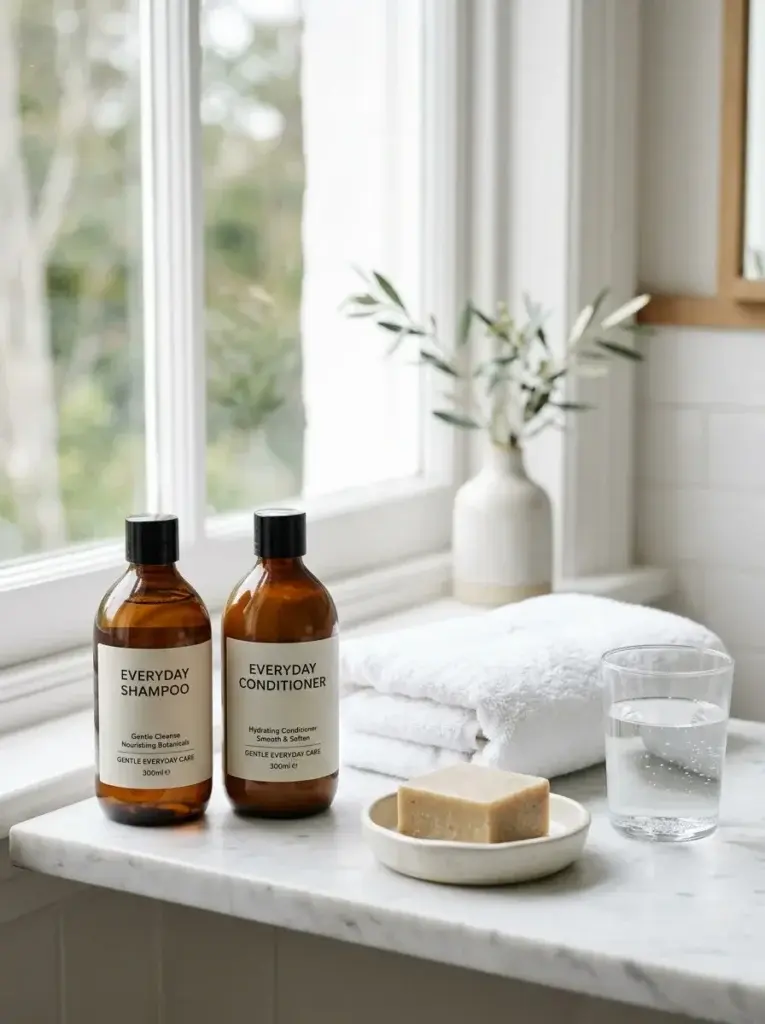
Some people prefer to wash their hair frequently because of exercise, sweat, an oily scalp, or personal preference. If you wash often, choose a shampoo that cleans effectively without leaving your scalp or lengths feeling uncomfortable.
There is no single washing schedule that suits everyone. Your hair texture, scalp oiliness, activity level, and styling routine all affect how often you may want to wash.
What to look for:
- A shampoo suitable for your preferred washing frequency.
- A conditioner that helps maintain manageability.
- Product directions that fit your routine.
- A formula that leaves your scalp comfortable after washing.
If daily washing works for your scalp and hair, you do not necessarily need to stop. If your hair feels dry or your scalp becomes irritated, reconsider the formula or frequency.
14. Best Shampoo and Conditioner Set for Budget-Friendly Haircare
A good shampoo and conditioner routine does not have to cost a lot. Affordable products can work well when their formulas match your scalp and hair needs. The most expensive set is not automatically the best choice for everyone.
When comparing prices, look at bottle size, how much product you need per wash, and whether the formula suits your hair. A cheaper bottle that requires a large amount per wash may not always offer the best value.
What to look for:
- Products that match your hair type rather than just their marketing claims.
- A reasonable price per ounce.
- Clear product information and ingredient lists.
- A conditioner that improves softness without leaving unwanted residue.
Sets to compare: Pantene Pro-V Daily Moisture Renewal, TRESemmé Rich Moisture, and other widely available drugstore ranges may be useful starting points. Availability and formulas can vary by market, so compare the products currently sold where you shop.
15. Best Travel-Size Shampoo and Conditioner Set
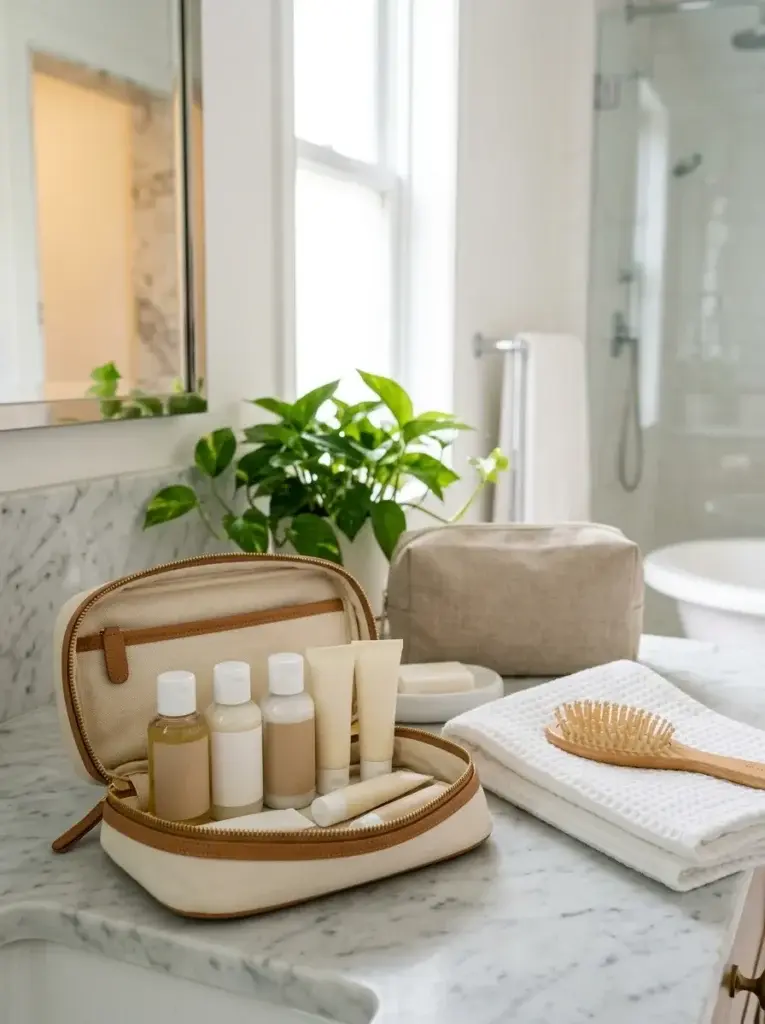
Travel-size shampoo and conditioner sets are convenient for short trips, gym bags, overnight stays, and holidays. They take up less space than full-size bottles and make it easier to bring products you already know work for your hair.
If you have a sensitive scalp or use a specific formula, travel-size versions can be helpful. You can also check whether your preferred shampoo and conditioner are available in refillable travel containers, provided the original packaging and product instructions allow it.
What to look for:
- Secure, leak-resistant packaging.
- Enough product for the length of your trip.
- Formulas that suit your regular haircare routine.
- Travel-container rules for your airline and destination.
Pack liquids in accordance with your airline’s current requirements. If you use reusable containers, label them clearly and make sure they are clean and suitable for the product.
How to Use Shampoo and Conditioner for Better Results
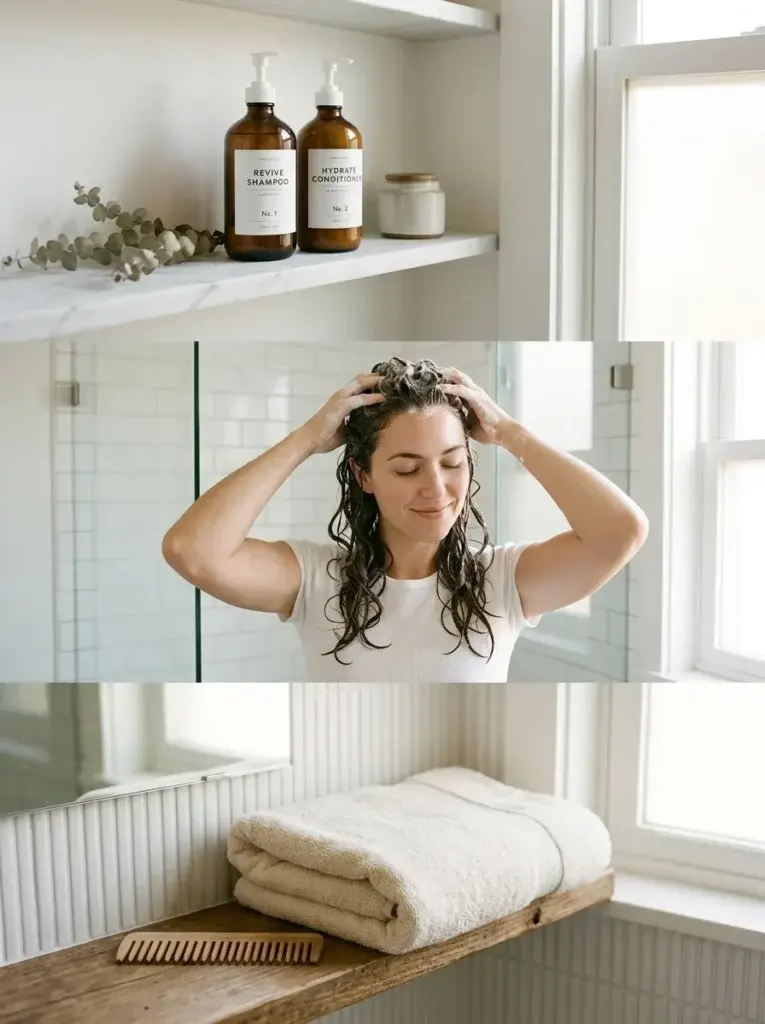
Even a well-chosen shampoo and conditioner set may not feel right if you use too much product or apply it in the wrong places. A simple routine can help you get more consistent results.
- Wet your hair thoroughly. Make sure water reaches your scalp and lengths before applying shampoo.
- Focus shampoo on your scalp. Massage gently with your fingertips instead of scratching with your nails.
- Rinse thoroughly. Let the water carry away the shampoo without aggressively rubbing the lengths.
- Apply conditioner where needed. For many people, the middle lengths and ends need more conditioning than the roots.
- Detangle gently. Use your fingers or a suitable comb, starting near the ends and working upward.
- Follow the product directions. Leave the conditioner on for the recommended time and rinse as instructed.
- Dry without rough friction. Gently squeeze excess water out with a towel and use heat protectant before hot styling tools when appropriate.
The aim is not to follow a complicated routine. It is to find a manageable combination that keeps your scalp comfortable and your hair easy to care for.
Common Mistakes to Avoid When Choosing Shampoo and Conditioner
A few common mistakes can make it harder to find the right products.
- Choosing products based only on scent or packaging. Attractive bottles do not tell you whether a formula suits your scalp.
- Using a rich conditioner on fine hair without adjusting the amount. It may leave some hair types feeling flat or coated.
- Ignoring your scalp. A formula that suits your hair lengths may not be suitable for an oily, irritated, or sensitive scalp.
- Assuming sulfate-free always means better. Some people prefer sulfate-free products, but the best choice depends on the formula and individual needs.
- Expecting shampoo to repair split ends permanently. Conditioning can improve how hair feels, but it cannot permanently join split ends back together.
- Changing several products at once. Introducing one new product at a time makes it easier to understand how your hair responds.
- Believing every product claim literally. Read the ingredients and directions, and look for evidence behind specific performance claims.
A little trial and adjustment is normal. If a product repeatedly leaves your scalp irritated or your hair feeling worse, it may not be the right match for you.
Frequently Asked Questions About Shampoo and Conditioner
1. What is the best shampoo and conditioner set?
The best set depends on your hair type, scalp, and personal goals. Dry hair may benefit from a more moisturizing conditioner, while fine hair may need a lighter formula. Choose products based on your actual needs instead of relying only on popularity or price.
2. Should I use shampoo and conditioner from the same brand?
You can use a matching set because the products are often designed to complement one another. However, using the same brand is not essential. The important thing is that the shampoo suits your scalp and the conditioner works well with your hair.
3. How often should I shampoo my hair?
There is no universal schedule. Some people wash daily, while others wash less frequently. Consider how oily your scalp becomes, your activity level, your hair texture, and how your hair feels after washing.
4. Is sulfate-free shampoo better for every hair type?
No. Sulfate-free formulas can be useful for people who prefer gentler cleansing or have particular haircare needs, but they are not automatically better for everyone. Choose a formula that cleans your scalp effectively without causing discomfort or unwanted dryness.
5. Which shampoo and conditioner are best for dry hair?
Look for a shampoo suited to your scalp and a conditioner formulated to improve softness and manageability. Ingredients such as glycerin and conditioning agents may help hair feel smoother. The right choice depends on your hair’s texture and how dry it feels.
6. What shampoo and conditioner should I use for fine hair?
Fine hair often does well with lightweight products that cleanse effectively without leaving a heavy coating. Try a volume-focused or fine-hair formula, and apply conditioner mainly to the lengths and ends if your roots become flat.
7. Can shampoo and conditioner repair damaged hair?
They can improve softness, reduce friction, and make damaged-looking hair easier to manage. Some specialized products may offer additional benefits, but ordinary shampoo and conditioner cannot permanently repair split ends or reverse every form of damage.
8. Is it okay to use conditioner on oily hair?
Yes. Oily roots do not necessarily mean your hair lengths need no conditioner. Choose a lightweight formula and apply it mainly to the middle lengths and ends if conditioning your roots makes your hair feel greasy.
9. How do I choose shampoo and conditioner for color-treated hair?
Look for products labeled as suitable for color-treated hair and consider your scalp and hair condition. A gentle formula may help you maintain a comfortable routine, but results vary. Follow any care instructions from your stylist, especially after bleaching or other chemical treatments.
10. How can I tell if my shampoo and conditioner are not working for me?
Signs may include persistent dryness, a heavy or coated feeling, increased tangling, scalp discomfort, or hair that becomes greasy sooner than usual. These signs can have several causes, so consider your routine and stop using a product if it appears to cause irritation.
Final Thoughts
The best shampoo and conditioner set is the one that fits your hair rather than the one with the biggest marketing claims. Start with your scalp and hair type, then choose a combination that cleans effectively, provides the right level of conditioning, and fits your budget.
If your hair is dry, look for a routine that improves softness. If it is fine, try lighter formulas. For curly, thick, or coarse hair, prioritize manageable detangling and conditioning. If your scalp is sensitive or your hair is color-treated, read labels carefully and introduce new products gradually.
You do not need a shelf full of products to build a useful haircare routine. A suitable shampoo, a compatible conditioner, and consistent use are a practical place to start.