
The most delicious pumpkin roll recipe brings together a soft, spiced pumpkin cake and a smooth cream cheese filling in every slice. This classic fall dessert looks impressive on a holiday table, but you can make it at home with everyday baking ingredients. The key is getting the cake texture right, rolling it while it is warm, and allowing the finished dessert enough time to chill before serving.
Whether you are preparing a Thanksgiving dessert, planning a fall gathering, or simply craving something sweet with pumpkin and cinnamon, these 14 practical tips will help you create a beautiful pumpkin roll. You will learn how to prepare the batter, prevent cracks, make creamy filling, slice clean spirals, and store leftovers properly.
1. Classic Pumpkin Roll
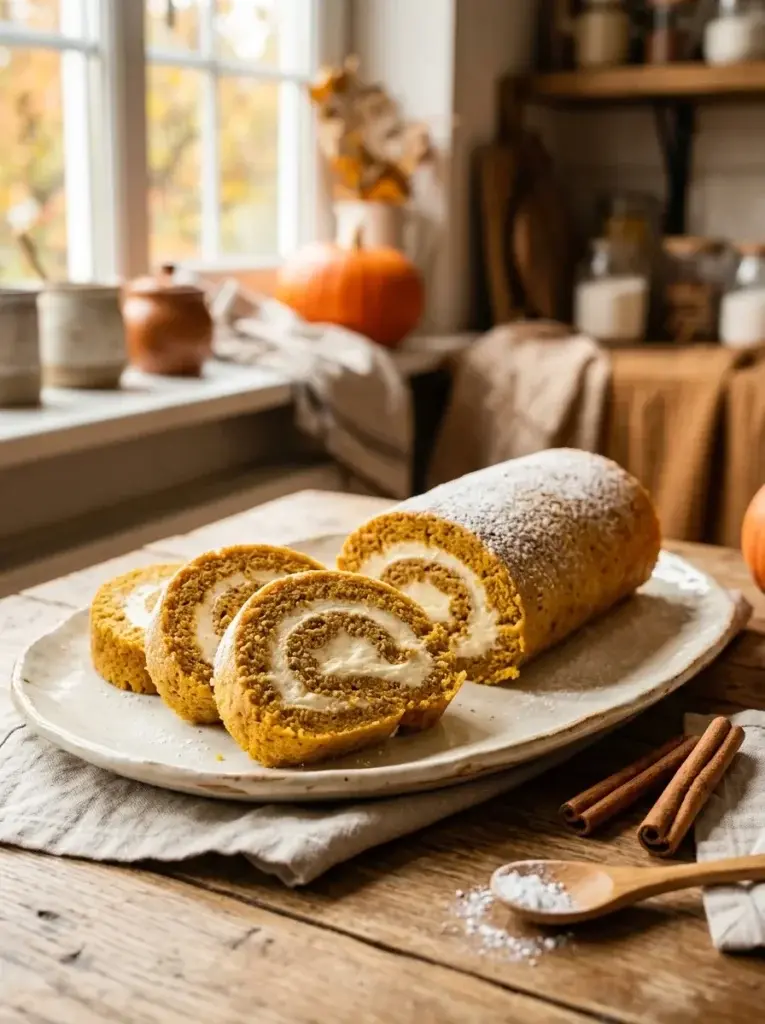
For one roll, gather 3/4 cup all-purpose flour, 1/2 teaspoon baking powder, 1/2 teaspoon baking soda, 1/2 teaspoon cinnamon, 1/2 teaspoon ground cloves, 1/4 teaspoon salt, 3 large eggs, 1 cup granulated sugar, 2/3 cup plain pumpkin puree, and 1 teaspoon vanilla extract. The filling needs 8 ounces cream cheese, 6 tablespoons softened butter, 1 cup powdered sugar, and 1 teaspoon vanilla extract. Keep extra powdered sugar ready for rolling and decorating.
Heat the oven to 375°F (190°C) and line a 15-by-10-inch jelly-roll pan with parchment paper. Beat the eggs and sugar until thick, add the pumpkin and vanilla, then incorporate the dry ingredients. Spread the batter evenly and bake for 13 to 15 minutes. Roll the hot cake in a powdered-sugar-dusted towel, cool it in that shape, fill it, and roll again. Wrap and refrigerate before slicing.
2. Use Pure Pumpkin
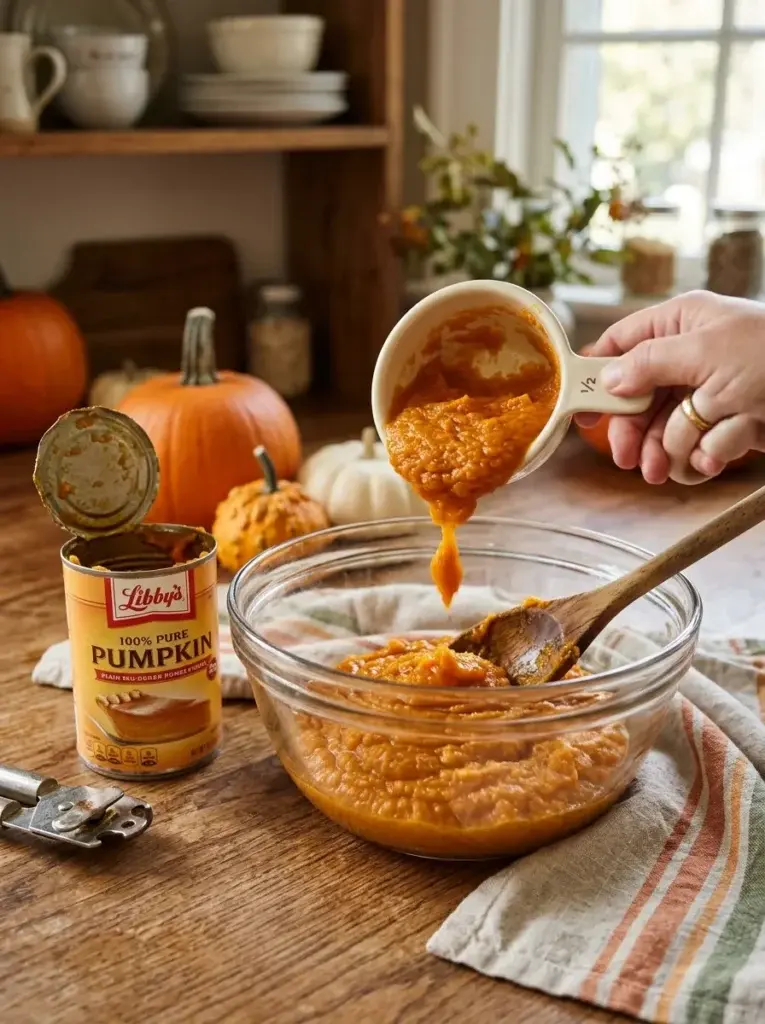
Plain pumpkin puree gives the cake its characteristic color, mild sweetness, and moist texture. Choose a product labeled 100% pumpkin rather than pumpkin pie filling, which may already contain sugar and spices. Using the correct ingredient helps you control the sweetness and seasoning of the finished dessert without making unnecessary adjustments to the recipe.
Measure the puree carefully instead of adding extra to make the cake taste more pumpkin-heavy. Too much moisture can affect how the thin sponge bakes and rolls. If using homemade puree, make sure it is not unusually watery. A consistent texture helps the batter spread evenly and makes it easier to achieve a flexible cake suitable for rolling.
3. Balance Fall Spices
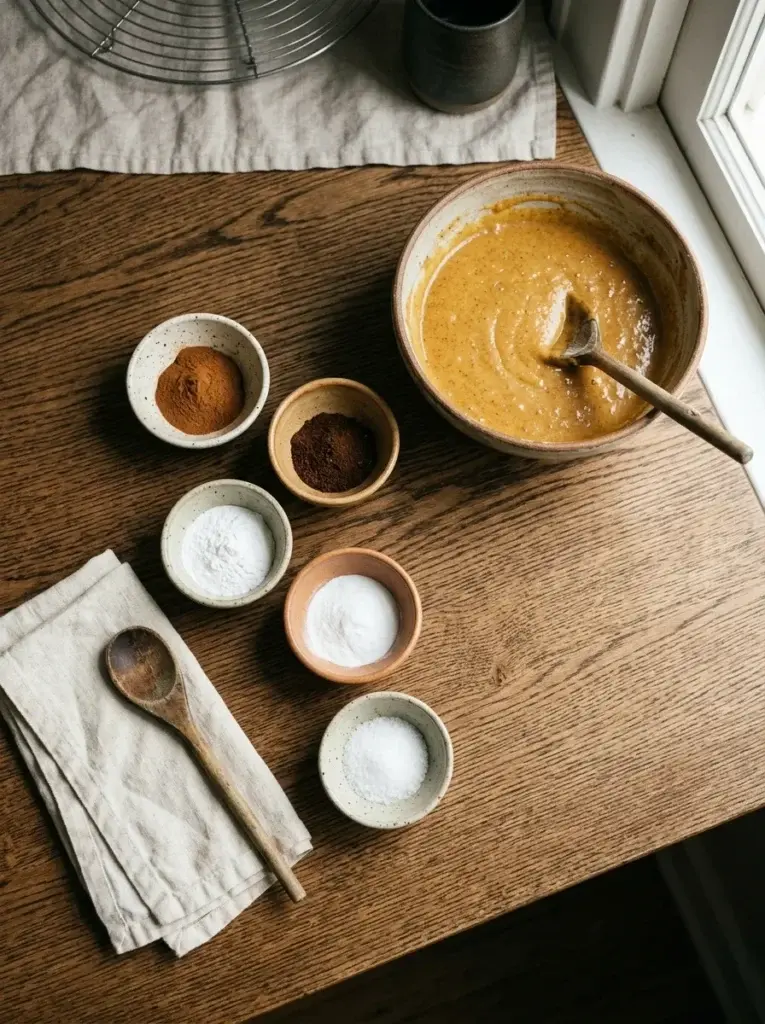
Cinnamon and ground cloves give pumpkin roll its familiar autumn flavor. Cinnamon adds warmth and sweetness, while cloves contribute a stronger, deeper spice note. The combination complements the pumpkin and cream cheese without overpowering either one. A measured amount of each spice produces a balanced flavor that works well for everyday desserts and holiday gatherings.
Follow the quantities in the recipe before experimenting with additional seasoning. If you prefer a milder cake, reduce the cloves slightly rather than removing all the spices. You can also substitute a measured amount of prepared pumpkin pie spice for the individual spices, checking its ingredients first so the overall seasoning remains balanced.
4. Choose the Right Pan
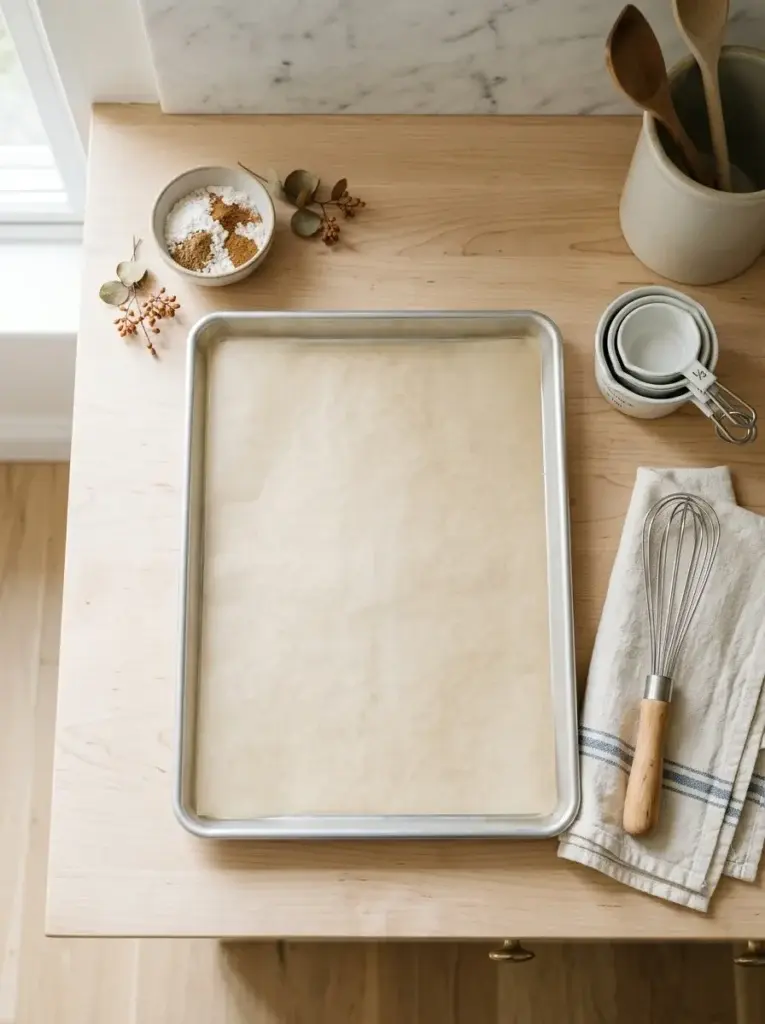
A 15-by-10-inch jelly-roll pan gives the batter enough room to form a thin, flexible cake. Its shallow sides help contain the batter while allowing it to bake into an even sheet. Using a substantially different pan size can change the cake’s thickness, which affects the baking time and how easily the sponge bends around its filling.
Line the pan with parchment paper before mixing the batter so everything is ready when you need it. Smooth the paper into the corners and avoid leaving large folds beneath the cake. Prepare a clean, thin cotton towel dusted with powdered sugar before baking, too. Having the pan and towel ready prevents unnecessary delays after the cake comes out of the oven.
5. Mix for Light Texture
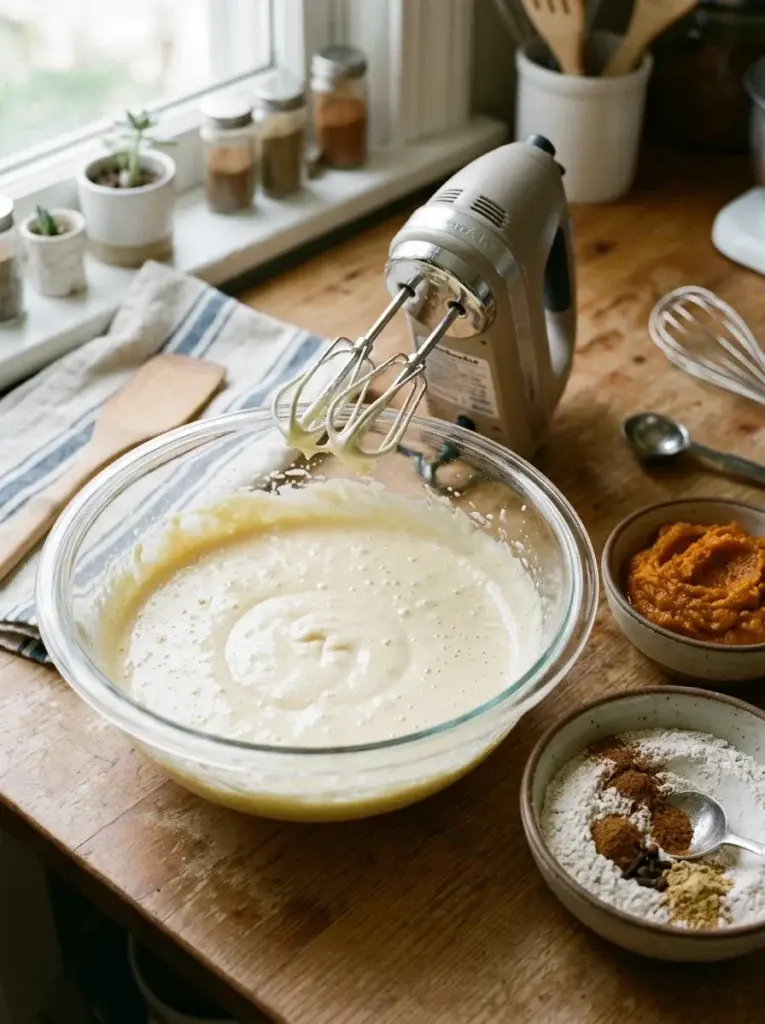
A light pumpkin sponge begins with properly beaten eggs and sugar. Whipping these ingredients until the mixture looks thick and pale helps incorporate air, supporting a softer cake texture. Adding the pumpkin and vanilla afterward distributes the flavor while keeping the mixing process manageable. The cake needs enough structure to hold its spiral without becoming heavy or dry.
Whisk the flour, baking powder, baking soda, cinnamon, cloves, and salt together before adding them to the wet mixture. Incorporate the dry ingredients just until no obvious flour streaks remain. Overmixing can make the cake tougher, so avoid prolonged beating after adding the flour. A smooth, evenly combined batter is the best starting point for a flexible roll.
6. Spread the Batter Evenly
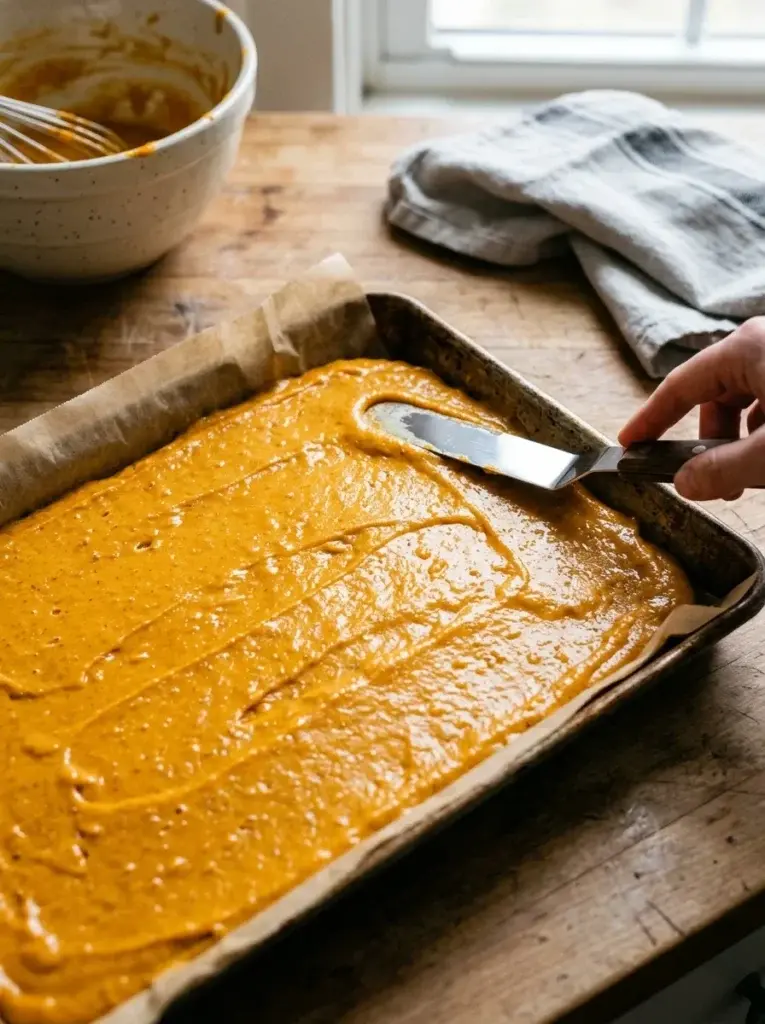
Even batter thickness helps the cake bake at a similar rate from edge to center. If one side is much thicker, it may remain underbaked while a thinner section dries out. That uneven texture can make rolling more difficult and increase the likelihood of cracks along the edges. Taking a moment to level the batter improves the shape of the finished sponge.
Use a flexible spatula or offset spatula to guide the batter into the corners of the prepared pan. Spread gently without pressing out all the air incorporated during mixing. Check the surface from the side to spot thick patches and thin areas. Once the batter is level, transfer the pan to the oven promptly rather than leaving it on the counter for an extended period.
7. Bake Just Enough
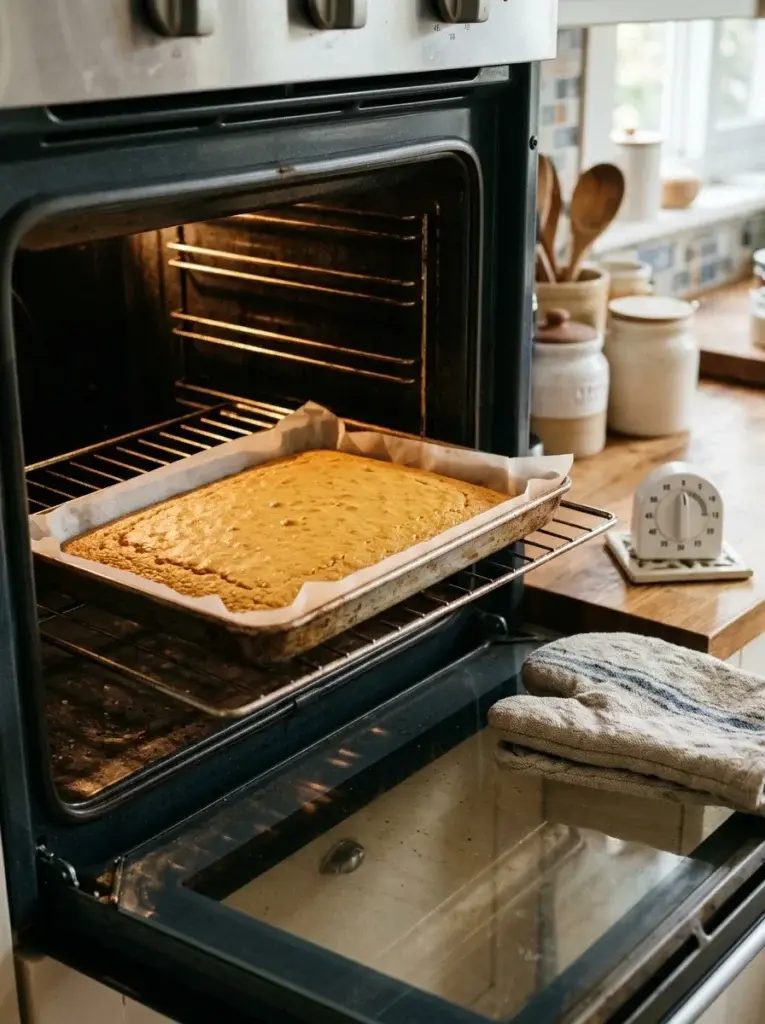
A pumpkin roll cake bakes quickly because the batter forms a thin layer. At 375°F (190°C), begin checking it around the 13-minute mark and expect approximately 13 to 15 minutes, depending on your oven. The surface should be set and spring back lightly when touched. A cake that becomes too dry is less flexible and more likely to split during rolling.
Use the visual and texture cues alongside the suggested baking time rather than relying on the timer alone. Avoid opening the oven repeatedly during the early baking period, as this can interfere with consistent cooking. Once the center springs back and the cake appears set, remove the pan and proceed with the rolling step promptly. Letting it sit in the pan for too long can make handling harder.
8. Roll While Warm
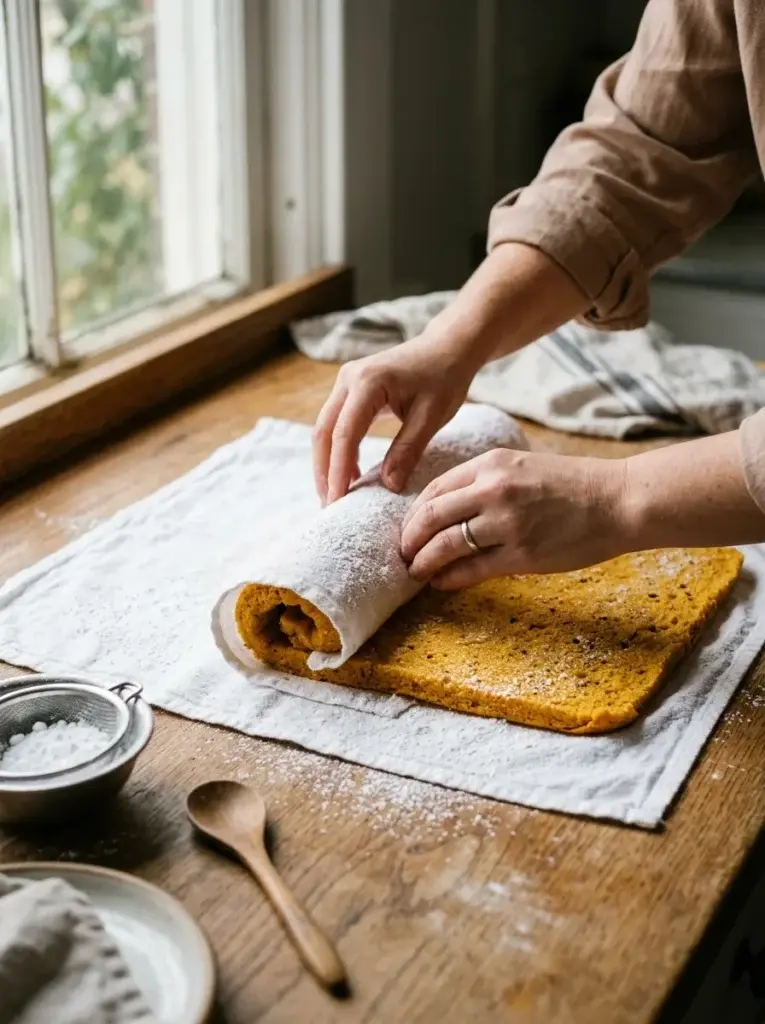
Rolling the sponge while it is warm is one of the most important steps in making a pumpkin roll. At this stage, the cake is more flexible and can take on a curved shape before it cools. Trying to bend a completely cooled, flat sponge can cause the outer surface to split, leaving cracks that may be difficult to hide later.
Dust a clean, thin cotton towel generously with powdered sugar before the cake finishes baking. Carefully loosen the edges, turn the cake onto the towel, and remove the parchment paper. Starting at a short end, roll the cake and towel together without pressing too firmly. Use oven mitts while handling the hot cake, then place the rolled bundle on a rack to cool.
9. Let the Spiral Cool
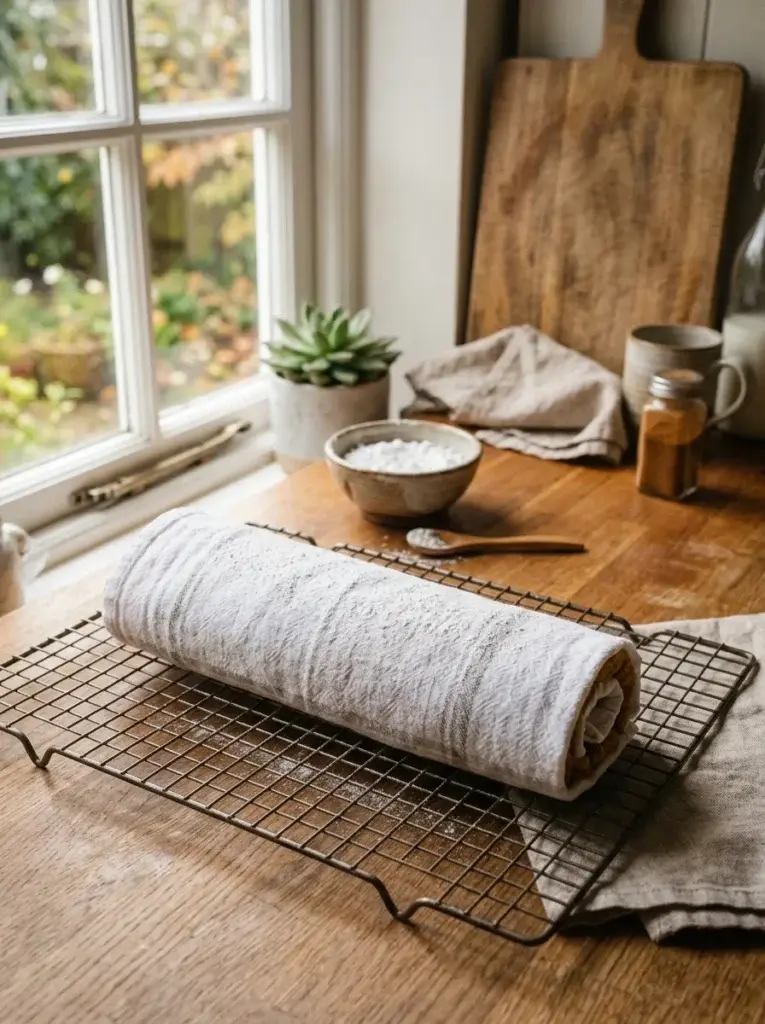
Allow the rolled cake to cool completely before adding cream cheese filling. Keeping the sponge curled during cooling helps it retain the shape it will need when filled. If you spread the filling while the cake is still warm, it may soften or melt, making the spiral slippery and difficult to assemble neatly.
Leave the cake wrapped in the towel as it cools, and avoid squeezing it to make the roll tighter. Once it reaches room temperature, gently unroll it just enough to remove the towel. Do not force the cake flat or press hard against the inner curl. A little natural curve makes the final rolling step easier and helps prevent unnecessary breaks.
10. Make Cream Cheese Filling
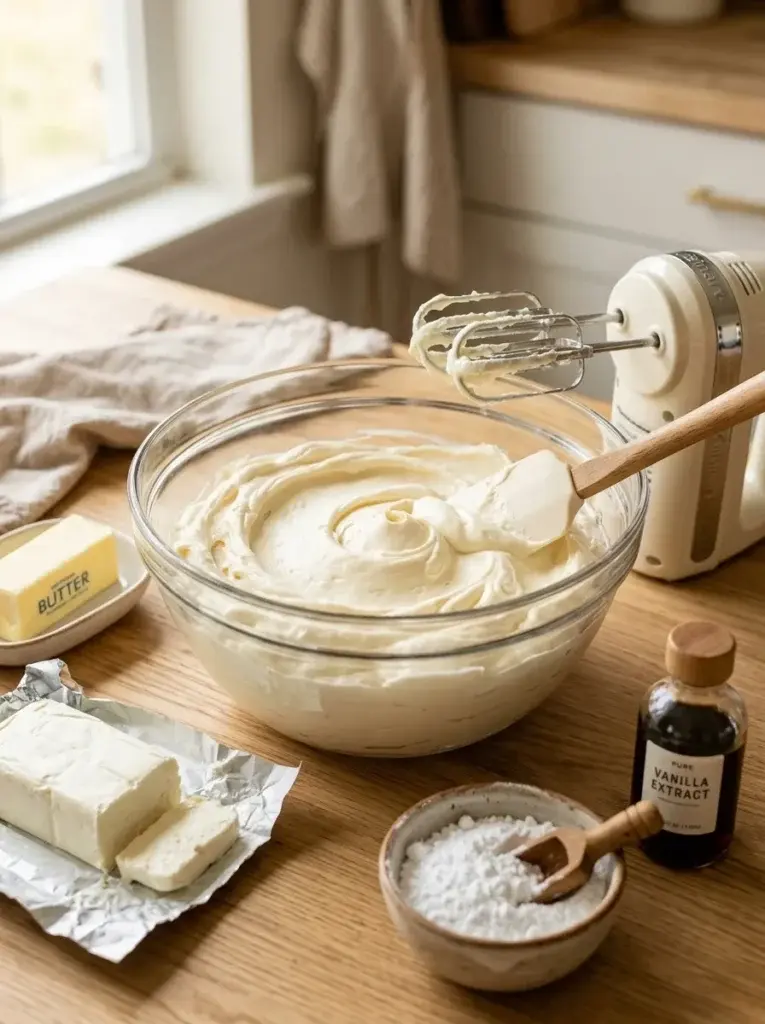
The filling adds a rich, lightly tangy contrast to the sweet pumpkin sponge. For this recipe, beat 8 ounces of softened cream cheese with 6 tablespoons of softened butter until smooth. Add 1 cup of powdered sugar and 1 teaspoon of vanilla extract, mixing until the texture is creamy and spreadable. Full-fat brick cream cheese generally gives a firmer filling than whipped or tub-style varieties.
Use softened ingredients rather than butter or cream cheese straight from the refrigerator, since cold ingredients can leave lumps. However, the mixture should not be warm or runny. If it feels too soft to hold its shape, chill it briefly before assembling the cake. A smooth, reasonably firm filling spreads more evenly and is less likely to squeeze out when you roll the sponge.
11. Spread a Thin Layer
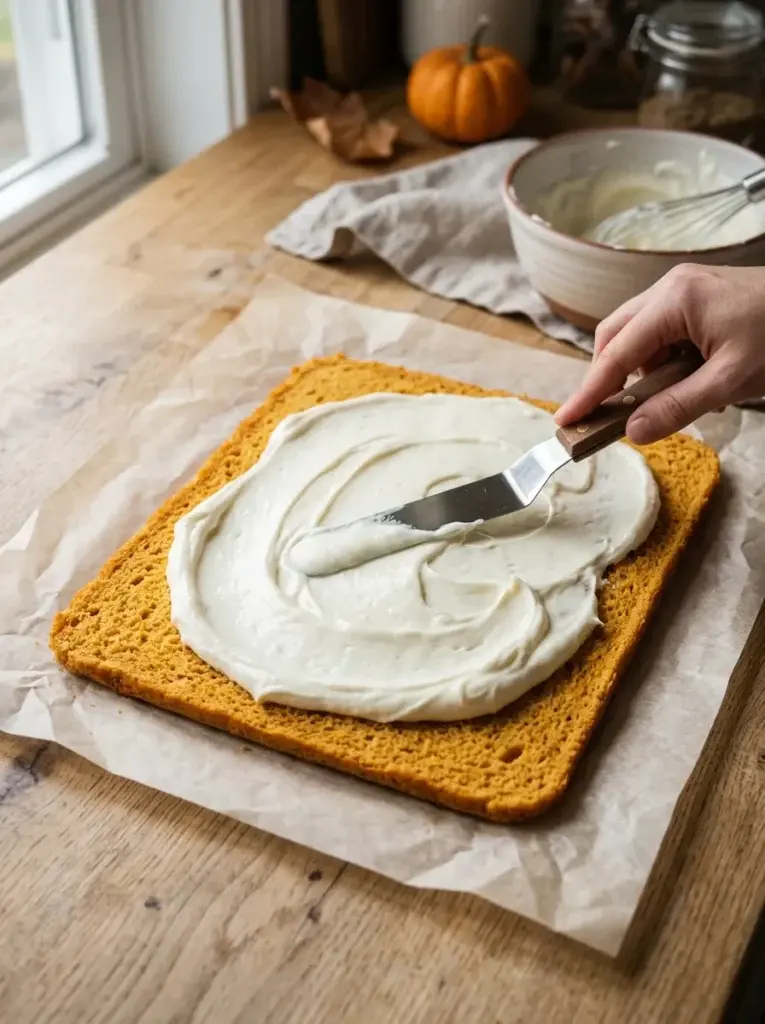
An even layer of filling creates the attractive white spiral visible in each slice. Spread the cream cheese mixture across the cake without piling too much into the center. A very thick layer may squeeze out during rolling, while an uneven layer can create gaps in the finished spiral. Keeping the filling consistent also makes the dessert easier to cut and serve.
Use an offset spatula or flexible silicone spatula to guide the filling toward the edges, leaving about a half-inch border. The uncovered margin gives the filling room to move as the cake curls around it. If the sponge resists unrolling, ease it open slowly instead of pulling firmly. Gentle handling preserves the surface and helps the cake return to a neat shape.
12. Roll and Chill
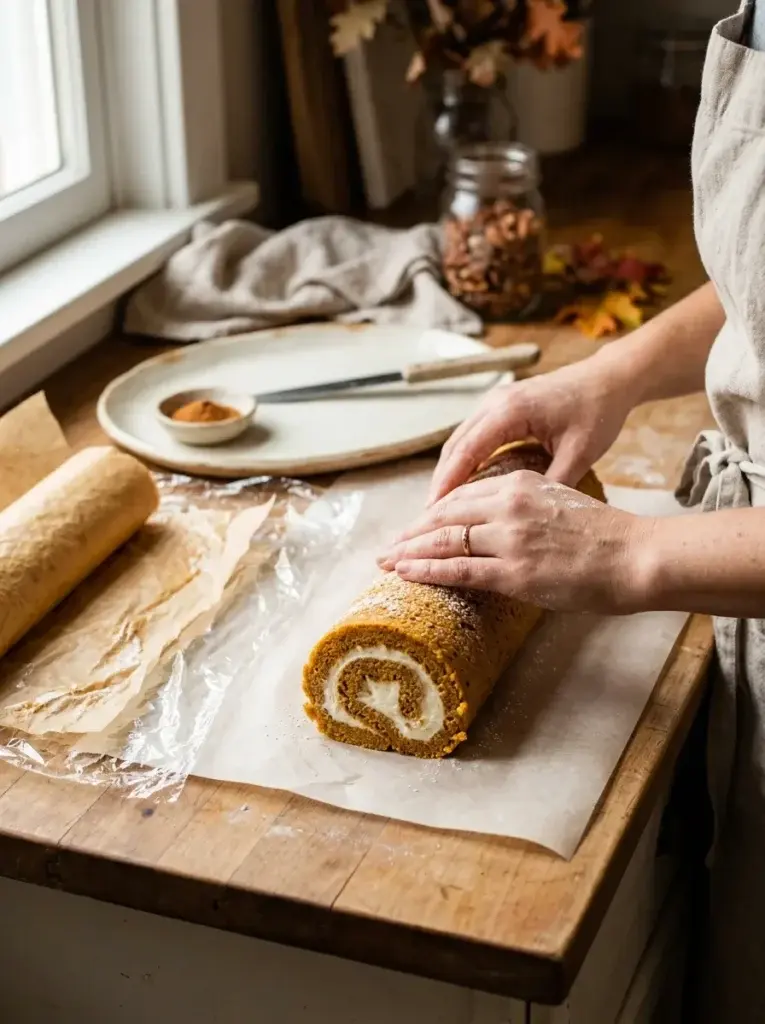
After spreading the filling, roll the cake back into its original shape, this time without the towel. Work from the same short end and guide the sponge gently so the filling stays inside. Avoid pressing the cake too tightly, because excessive pressure can push the cream cheese mixture toward the ends and flatten the spiral. A small amount of filling near the edges is normal.
Wrap the roll snugly in plastic wrap and refrigerate it for at least one hour. Two hours or longer can be helpful when you want especially neat slices for a gathering. Chilling allows the filling to firm up and makes the cake easier to handle. Keep the roll wrapped while it chills so the sponge does not dry out or pick up other refrigerator odors.
13. Slice and Serve
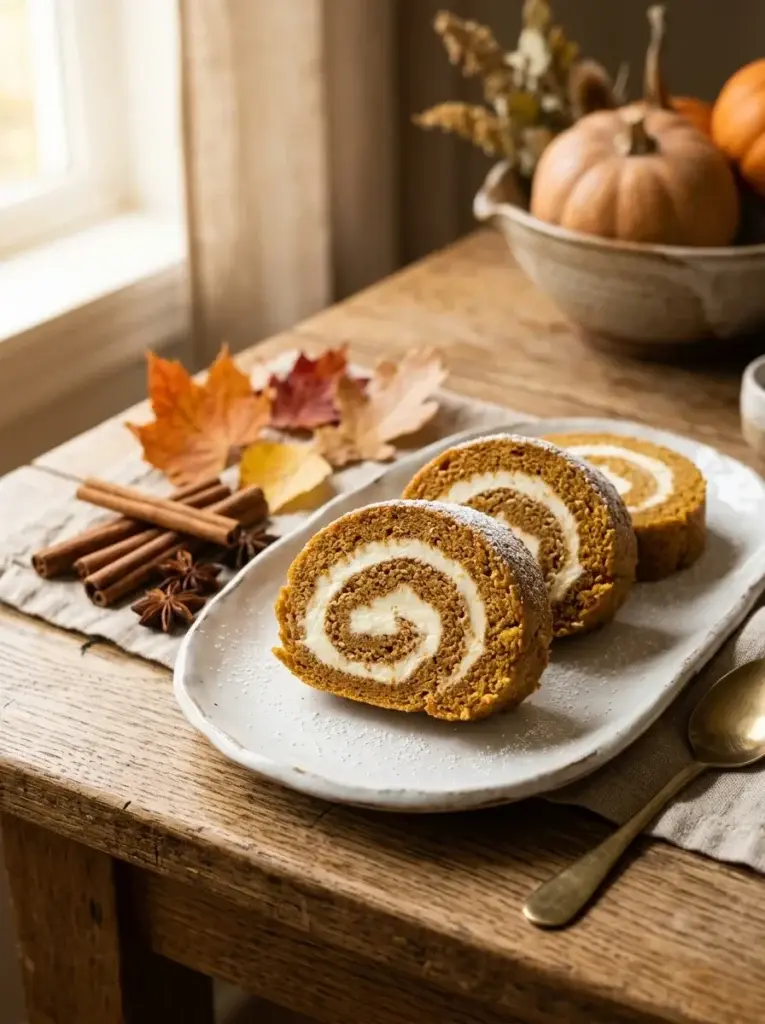
A chilled pumpkin roll looks best when sliced with a sharp knife that can cut through the sponge and filling cleanly. A serrated knife is particularly useful because its teeth help cut the cake without compressing the soft center. Wipe the blade between slices to limit smearing and preserve the contrast between the orange cake and white filling.
Transfer the slices to a serving platter and dust lightly with powdered sugar shortly before serving. The roll pairs well with coffee, tea, or a simple scoop of vanilla ice cream. For an optional variation, scatter a few mini chocolate chips over the filling before rolling, or add finely chopped walnuts if you enjoy a little crunch. Keep the decoration restrained so the spiral remains the focus.
14. Store or Freeze
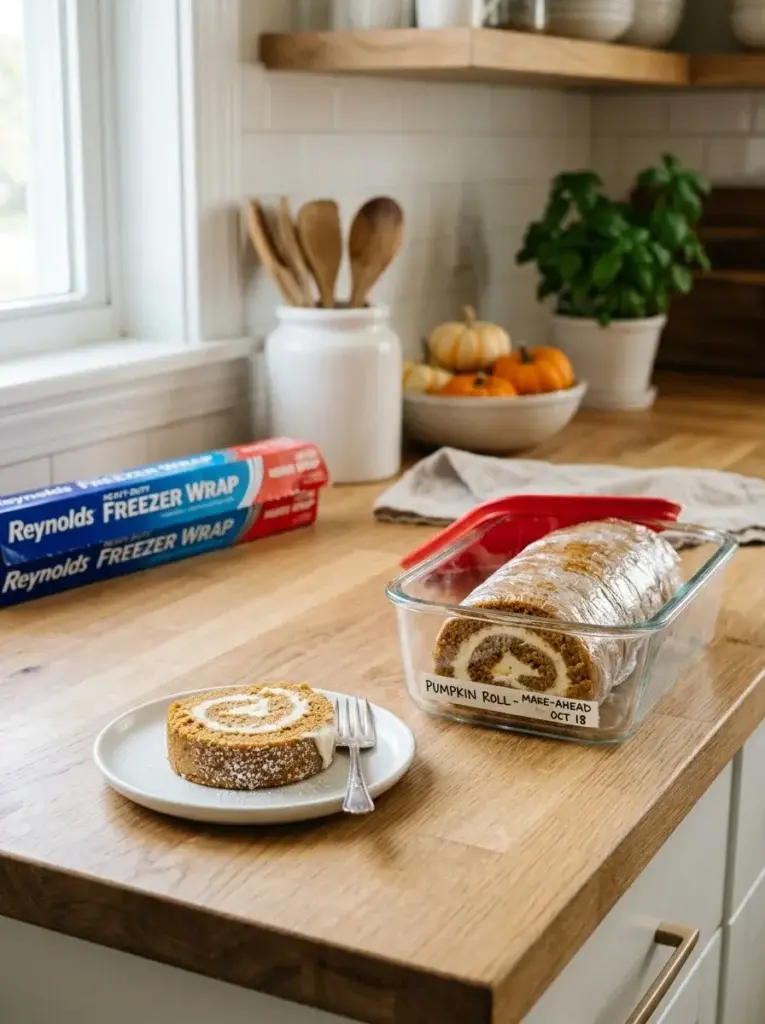
Because the cream cheese filling is perishable, refrigerate the finished pumpkin roll promptly rather than leaving it on the counter for hours. Store it tightly wrapped in an airtight container and aim to enjoy it within three to four days for the best quality. USDA food-safety guidance recommends refrigerating perishable foods within two hours and keeping the refrigerator at 40°F (4°C) or below. USDA food safety guidance.
To freeze the roll, wrap it securely in plastic wrap and then a layer of foil, or use a suitable freezer-safe container. Freeze it whole or in individual portions for convenient serving later. For the best texture, use it within about one to two months. Thaw it overnight in the refrigerator while wrapped, then add a fresh dusting of powdered sugar just before serving.
Conclusion
The most delicious pumpkin roll recipe depends on a few straightforward techniques: measure the ingredients carefully, spread the batter evenly, roll the cake while warm, and allow the filling enough time to chill. These steps help create a soft sponge and a creamy spiral without making the process unnecessarily complicated.
Start with the classic recipe, then experiment with a little cinnamon in the filling or mini chocolate chips when you are ready for a variation. Save this recipe for your next fall gathering or holiday dessert table.
Frequently Asked Questions
Why does my pumpkin roll crack when I roll it?
Cracking often happens when the cake is overbaked, becomes too dry, or cools completely before its first roll. Roll the sponge while it is still warm, using a powdered-sugar-dusted towel. Handle it gently when unrolling it later, and avoid flattening the inner curl.
Can I make a pumpkin roll the day before serving?
Yes. Prepare and fill the cake, wrap it securely, and refrigerate it overnight. The chilling time helps the filling firm up and makes the roll easier to slice. Add powdered sugar shortly before serving for a fresh, attractive finish.
Can I use pumpkin pie filling instead of pumpkin puree?
Plain pumpkin puree is the better choice for this recipe. Pumpkin pie filling typically contains added sweeteners and spices, which can change the flavor and sweetness of the cake. Check the can label carefully before measuring your ingredient.
How do I keep the cream cheese filling from leaking out?
Make sure the cake has cooled completely before filling it, and use softened cream cheese and butter rather than a warm, runny mixture. Spread the filling evenly, leave a narrow border around the edges, and roll gently without compressing the sponge. Chilling before slicing also helps the filling hold its shape.






2 Comments